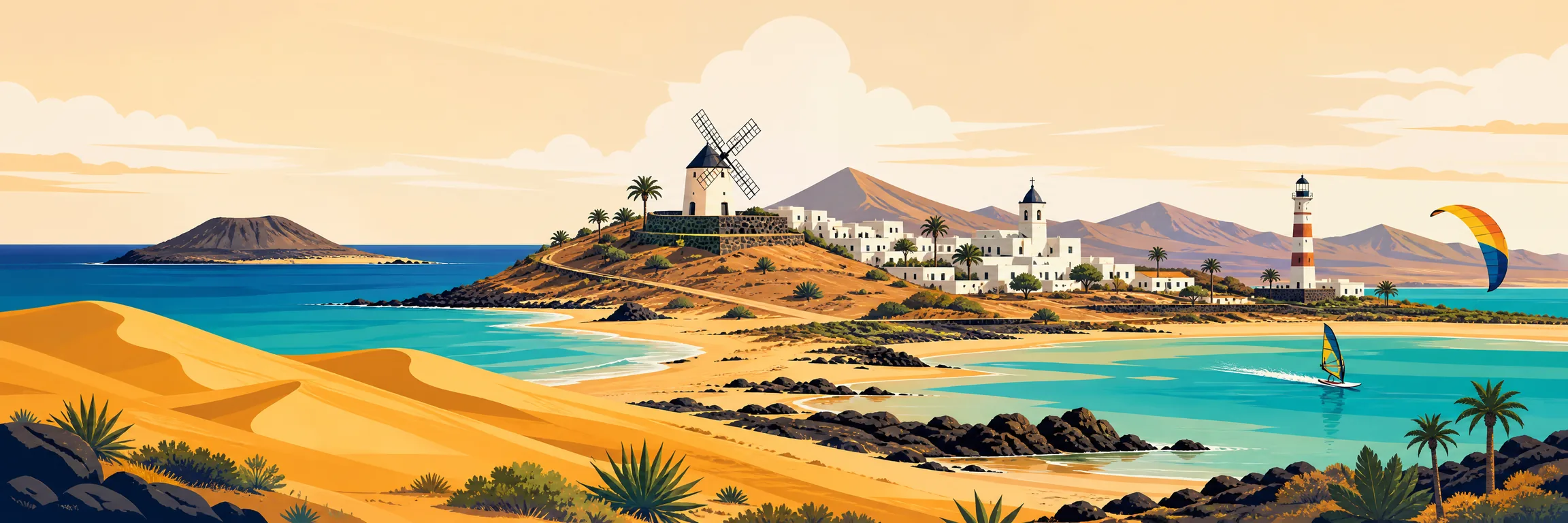
A practical Canarias.app guide
14 places to see in Fuerteventura
Open beaches, historic villages, dunes, wind and long drives: the island makes far more sense taken area by area.
See tours & activities in FuerteventuraWhat to see in Fuerteventura: the Corralejo Dunes, Isla de Lobos, Betancuria and Cofete distil the island's essence — white sand and wind, a boat trip, a historic capital and the wild scenery of Jandía. It pays to organise north, centre and south so you don't lose the trip to the road.
How to explore it
What to see in Fuerteventura, area by area
Fuerteventura isn't an island you crack from a sun lounger: you have to read the wind, the distances and the road. This guide sorts north, centre and south so you don't cross the island twice in the same day.
-
1
North
Corralejo Dunes and Grandes Playas

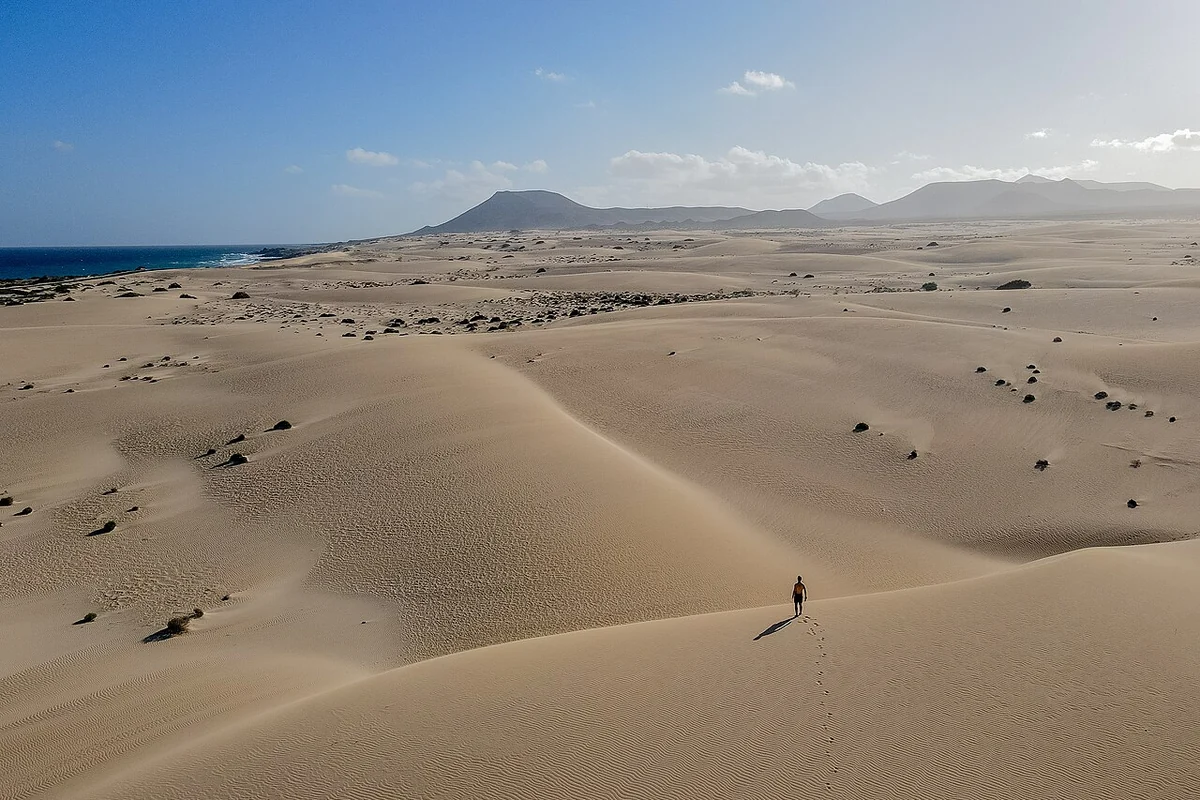
Foto: Pablosievert · CC BY-SA 4.0 · Wikimedia Commons The dune landscape of Corralejo is the clearest introduction to northern Fuerteventura: white sand, turquoise sea and a road that threads between the dune field and the coast. It's worth seeing early, when the light picks out the ripples in the sand and there's less coming and going at the lay-bys. Grandes Playas lies right alongside, so you can fold in a stroll, a swim and the trip's first real photo without straying off route.
Tip: Park only in marked areas and walk in; don't drive across the dunes and don't take away sand or stones. Carry water, a hat and a windbreaker even if the day looks gentle.
-
2
North
Isla de Lobos from Corralejo
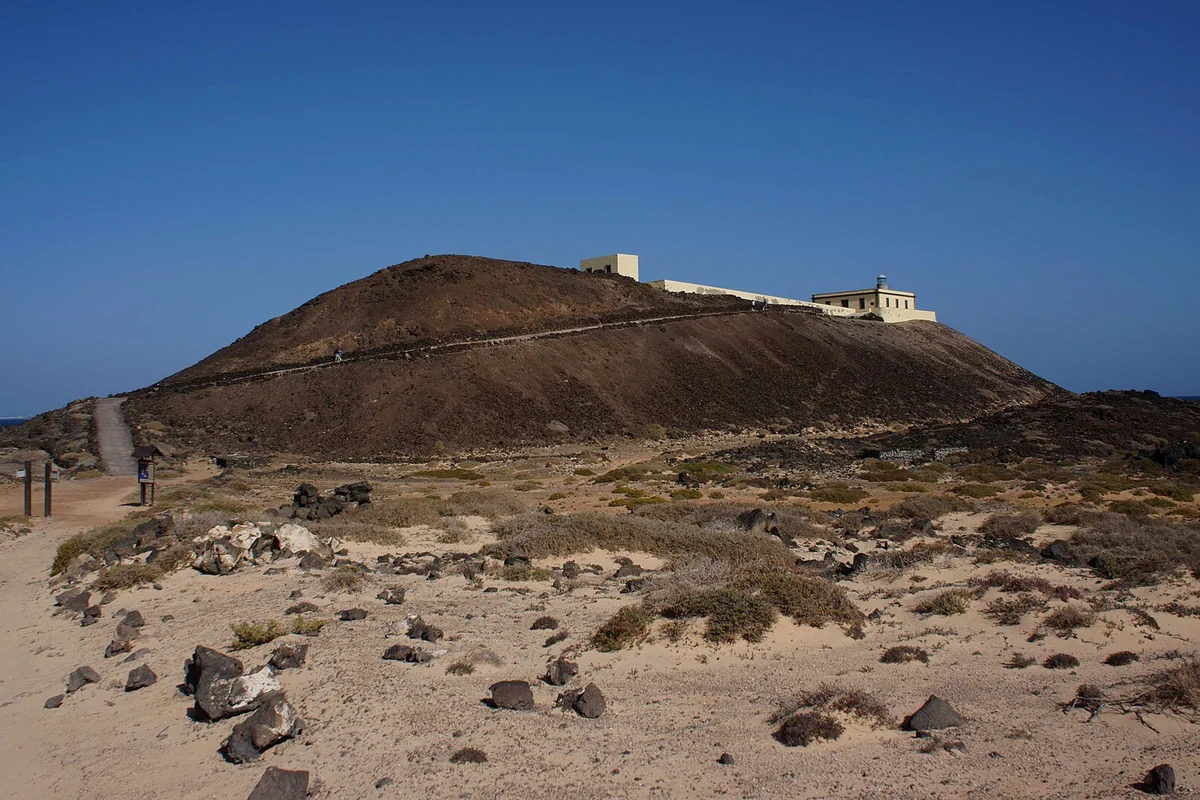
Foto: Jarek Prokop · CC BY 3.0 · Wikimedia Commons Lobos works as a half-day or unhurried full-day trip from Corralejo. The appeal isn't only La Concha or El Puertito, but walking a small, parched, fully exposed islet where you grasp the relationship between Lanzarote, Fuerteventura and the Estrecho de la Bocaina. If the sea cooperates, it's one of the best ways to alternate beach, a short walk and snorkelling.
Tip: Access is regulated by the Cabildo de Fuerteventura and requires a prior permit through LobosPass. Check whether your excursion handles it or whether you need to arrange it yourself before booking the boat.
-
3
North
El Cotillo, La Concha and its lagoons
Foto: Dirk Vorderstraße · CC BY 2.0 · Wikimedia Commons El Cotillo shifts the pace of the north: less resort, more fishing village, clear-water lagoons and sunsets you remember without trying. To the north, the coves sheltered by reefs are kinder for a quiet swim; to the south, the coast opens up and turns surf-minded. It's the perfect stop to round off the day after Corralejo or Lobos.
Tip: Check the wind and tide before choosing where to swim. For families, the lagoons near La Concha tend to be more rewarding than the open beaches south of El Cotillo.
-
4
North
Faro del Tostón
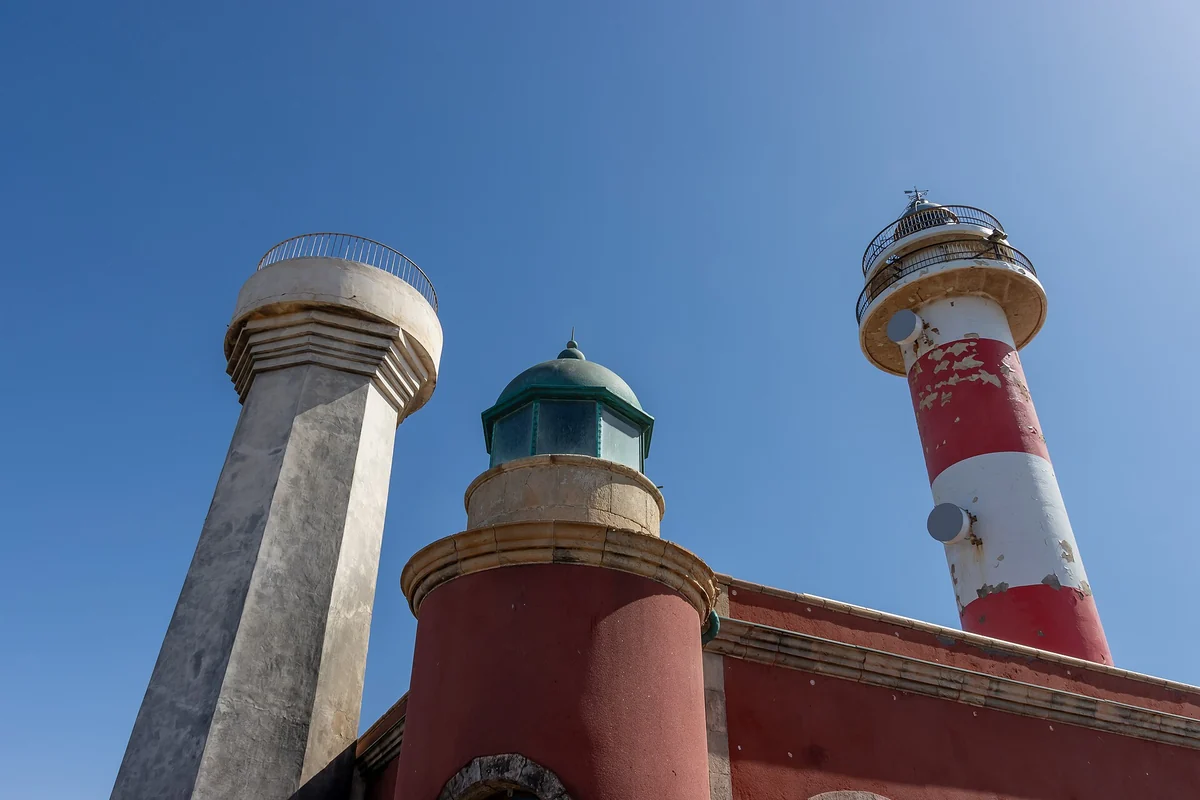
Foto: Mike Peel · CC BY-SA 4.0 · Wikimedia Commons The Faro del Tostón rounds off a visit to El Cotillo nicely, adding scenery, seafaring history and a very photogenic stretch of low-lying coast. The area lets you wander at leisure among rock pools, rocks and lagoons, with views out to the Atlantic and the Lanzarote-Lobos line. It isn't a long stop, but it's one of those that puts the north into mental order.
Tip: Don't pin the visit on the indoor museum being open: it has opened only intermittently. Go for the setting, the sunset and the coastal walk.
- Rent a car to explore Fuerteventura
-
5
North interior
Montaña de Tindaya
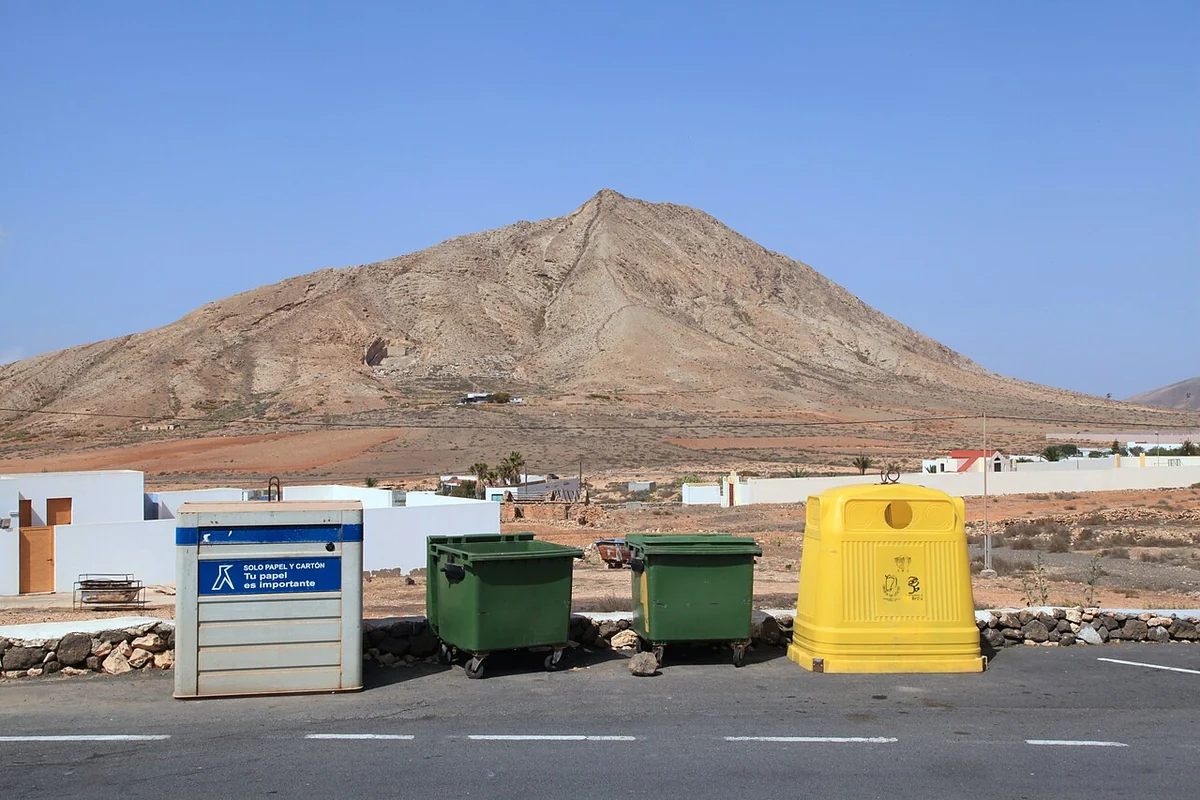
Foto: Frank Vincentz · CC BY-SA 3.0 · Wikimedia Commons Tindaya is neither a beach nor just another viewpoint: it's a place of archaeological and cultural value, linked to the foot-shaped carvings of the island's early inhabitants. Its power lies in seeing it from a distance, from the village and the landscape around it, accepting that not everything important is meant to be trodden. It works very well as a brief stop between El Cotillo, La Oliva and the interior.
Tip: Treat the mountain as sensitive heritage. Don't improvise climbs or approach archaeological areas without a permit or a regulated visit; respect closures, signage and private property.
-
6
Centre
Betancuria, the old capital
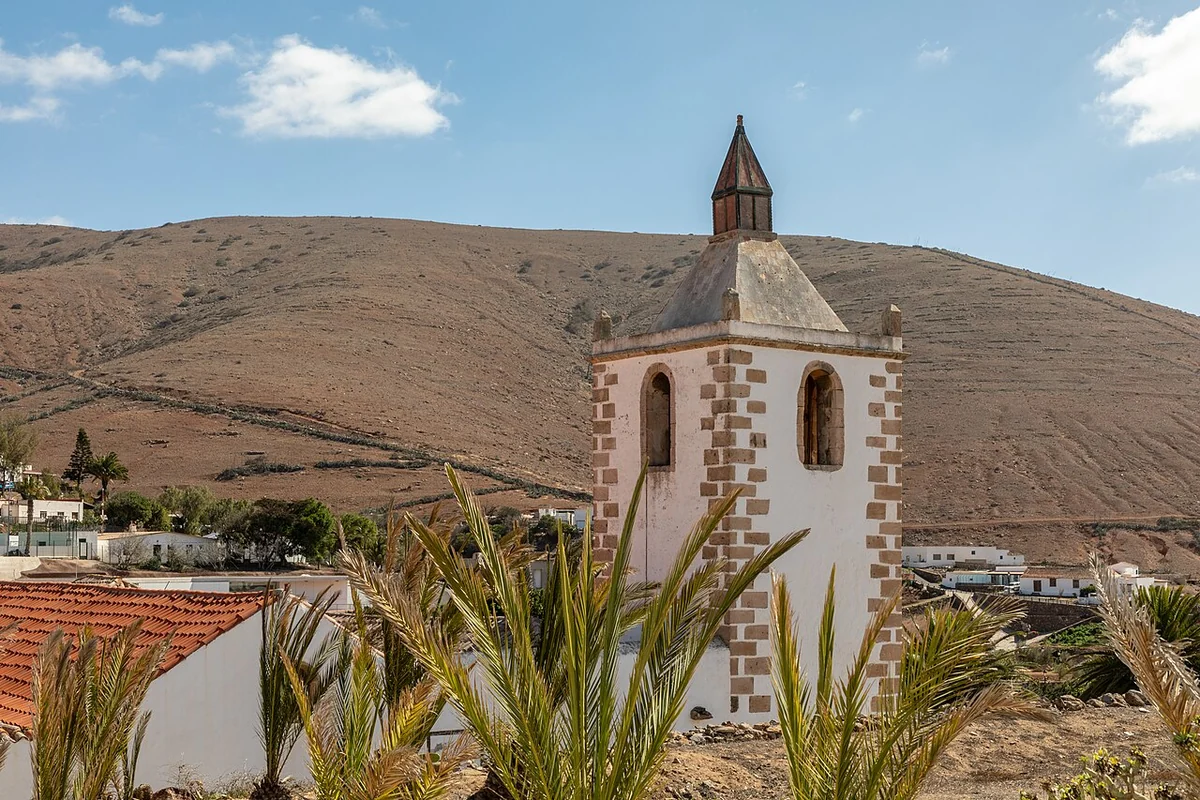
Foto: Dietmar Rabich · CC BY-SA 4.0 · Wikimedia Commons Betancuria is Fuerteventura's most important historic stop. Founded in 1404, it keeps the scale of a whitewashed village, with quiet streets and heritage that sits in contrast to the island's beach image. The visit makes more sense if you arrive by the interior road, with time to take in the ravines, palm groves and eroded hillsides.
Tip: Go early or in the late afternoon if you're travelling in high season. Parking and walking are easier outside the middle of the day, and the FV-30 route gains a great deal in low light.
-
7
Centre
Mirador de Morro Velosa and the Betancuria road
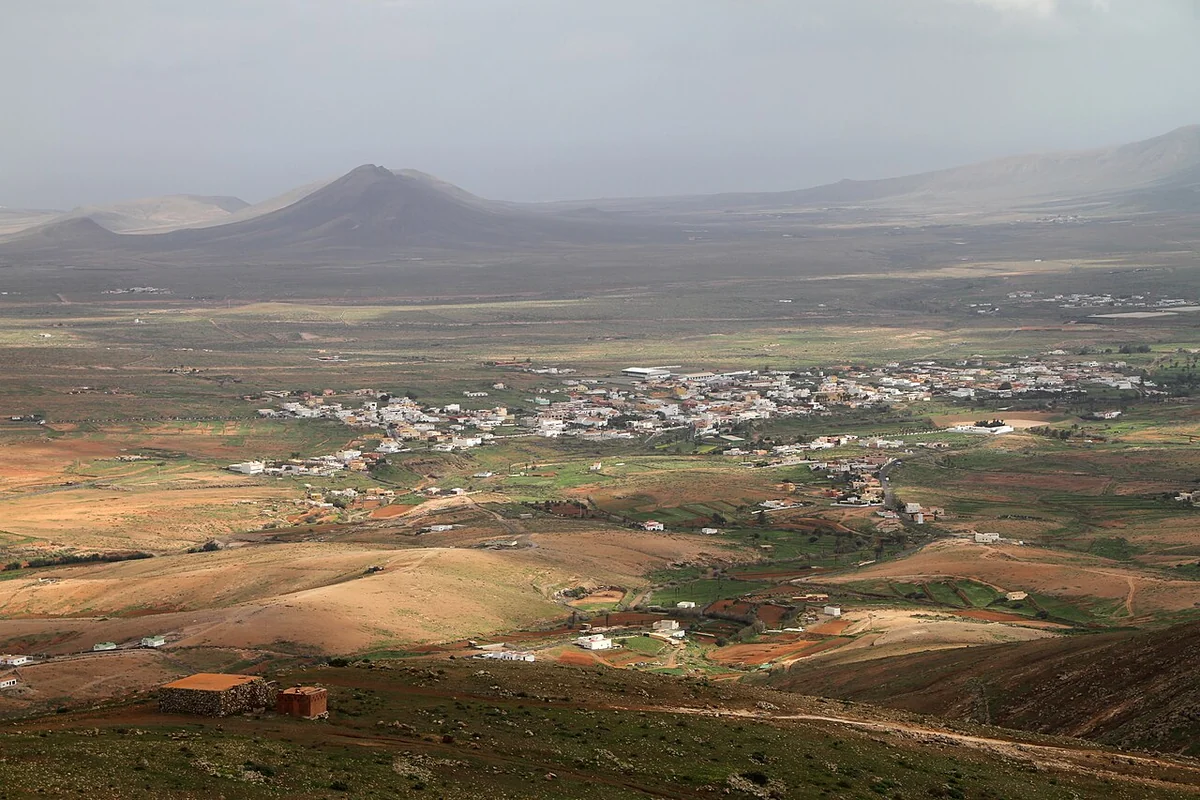
Foto: Gerd Eichmann · CC BY 4.0 · Wikimedia Commons The area around Morro Velosa offers one of the finest readings of the majorero interior: gentle ridges, dry valleys, small villages and the feel of a very old island worn down by wind and time. It's a natural stop if you're doing Betancuria, because the road is already part of the plan. On clear days it helps you grasp why Fuerteventura doesn't need great heights to feel vast.
Tip: Check the state of the access and don't count on the viewpoint building being open. Even if it's closed, the viewpoints along the route and the road itself justify the detour.
-
8
Centre
Antigua, windmills and rural landscape
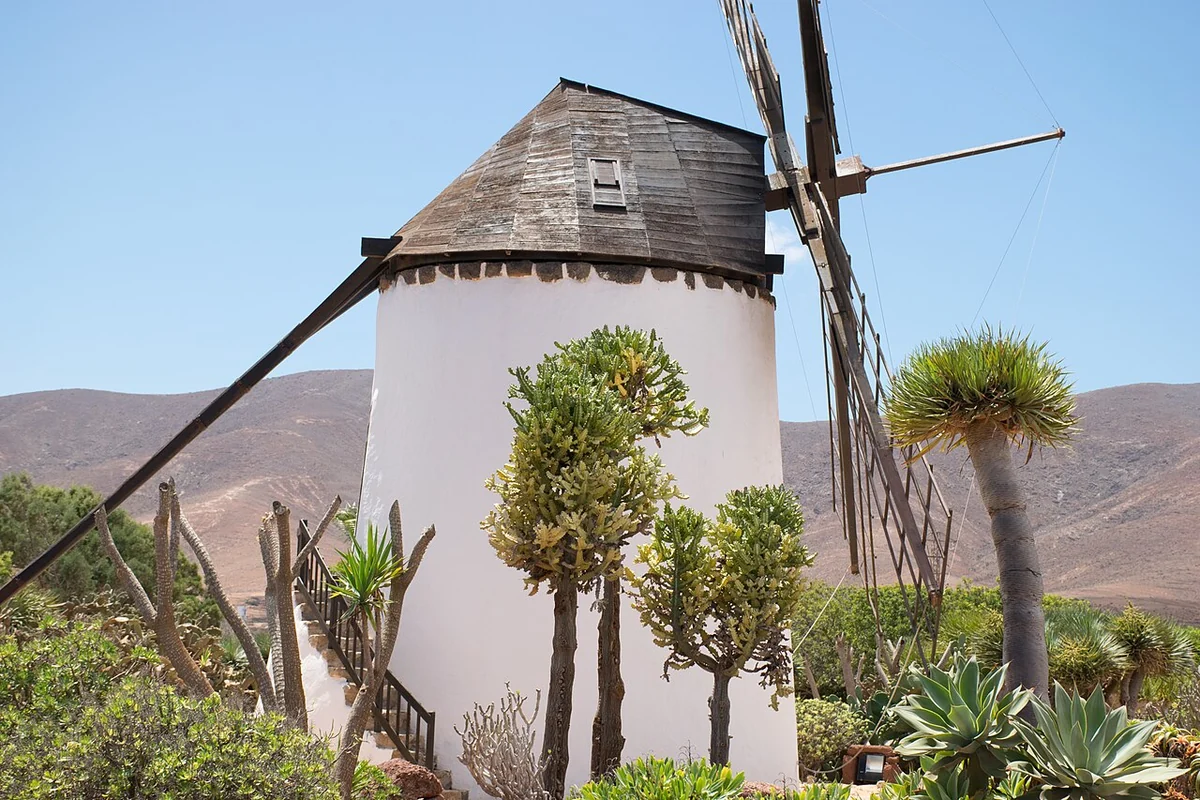
Foto: Alejandro Maeder · CC BY-SA 4.0 · Wikimedia Commons Antigua is the place to change register: here the trip leaves the coast and enters agricultural Fuerteventura, of windmills, gavias and majorero cheese. It's a useful stop for anyone wanting to understand how life was lived on a dry island before beach tourism. It fits well before or after Betancuria if you set out from Caleta de Fuste, Puerto del Rosario or the airport.
Tip: Don't turn it into a standalone visit: it makes far more sense as part of a central route with Betancuria, Pájara and Salinas del Carmen.
-
9
Centre-east
Salinas del Carmen
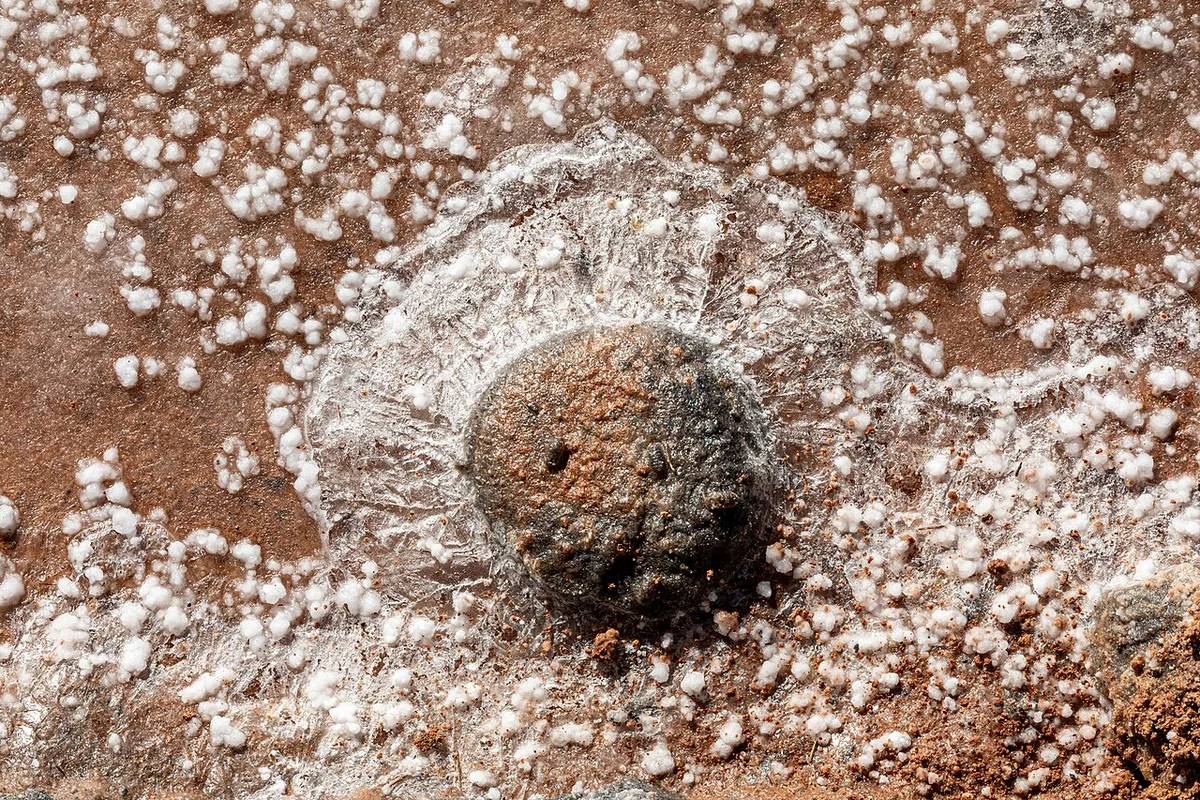
Foto: Dietmar Rabich · CC BY-SA 4.0 · Wikimedia Commons The Salinas del Carmen are a brief but quintessentially local stop: salt, wind, sea and artisan work in a landscape without artifice. They are the most recognisable historic salt flats on Fuerteventura and let you fold some local culture into a route that might otherwise stay too fixed on the beach. They're also handy if you're staying in Caleta de Fuste.
Tip: Combine them with Antigua or a gentle morning near the airport. Don't rush: the value lies in walking around, looking at the salt-pan system and understanding the craft.
-
10
Centre-west
Pájara and the church of Nuestra Señora de Regla
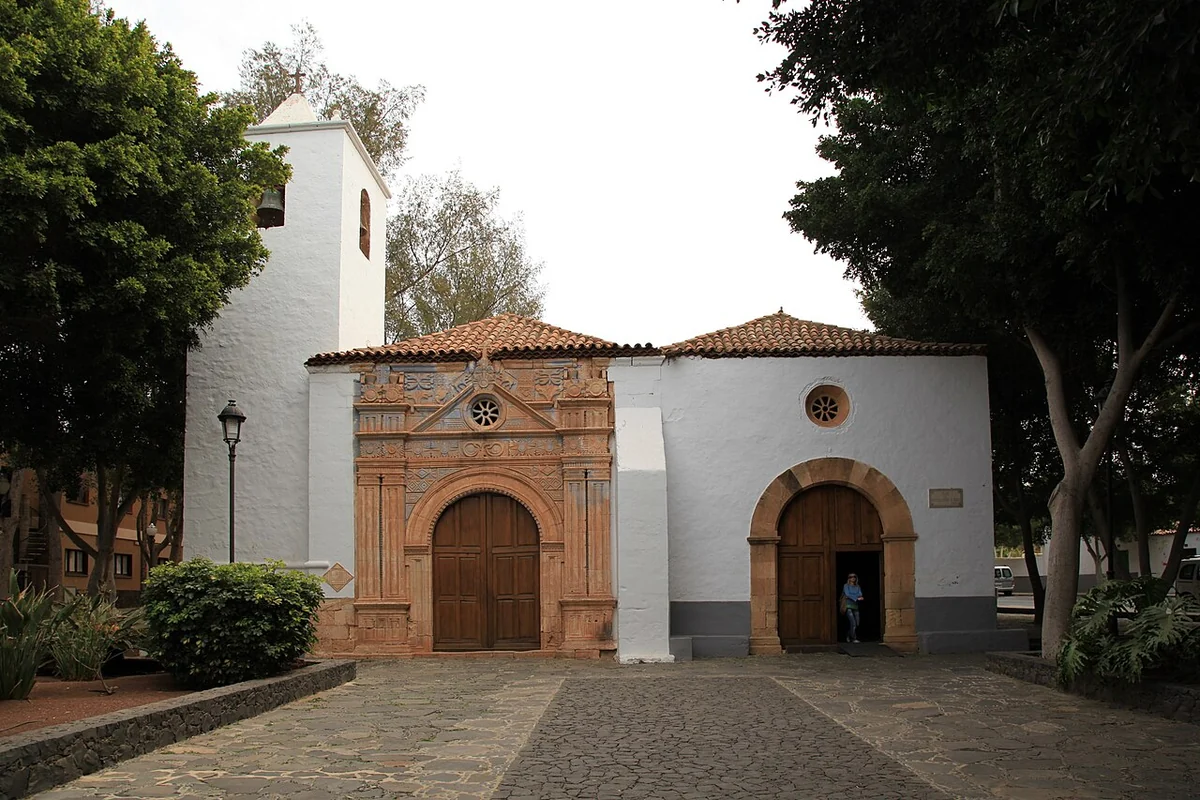
Foto: Frank Vincentz · CC BY-SA 3.0 · Wikimedia Commons Pájara usually crops up as a waypoint towards Ajuy or Jandía, but it deserves a stop of its own. The church of Nuestra Señora de Regla and the quiet old centre offer a historic note distinct from Betancuria, more understated and less photographed. It's a good place to pause before taking on the roads west or south.
Tip: Include it on the Betancuria-Ajuy-Cofete route only if you're not pressed for daylight. On Fuerteventura it pays to leave a margin: distances look easy on the map and stretch out with stops and wind.
-
11
West
Cuevas de Ajuy and the black beach
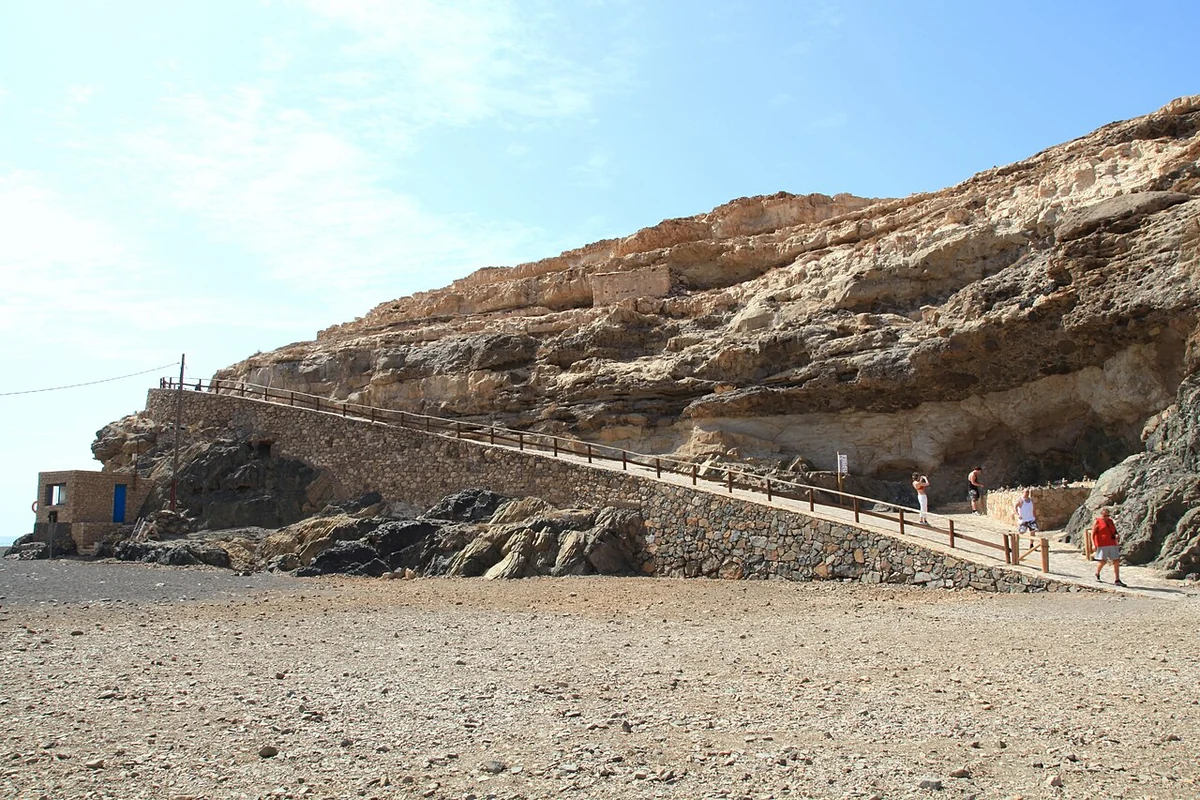
Foto: Frank Vincentz · CC BY-SA 3.0 · Wikimedia Commons Ajuy combines a fishing village, a dark beach and one of the most striking geological stories in the Canaries. The path to the caves takes in fossilised dunes, old lime kilns and rocks far older than the island itself. It's a short visit, but with more to it than it seems if you don't stop at the beach alone.
Tip: Do the walk to the caves in sturdy footwear and steer clear of the edge if the wind is strong or the sea is rough. Carry water; the sun is fierce on the path even though the route is brief.
-
12
South · Jandía
Cofete, Jandía and Villa Winter
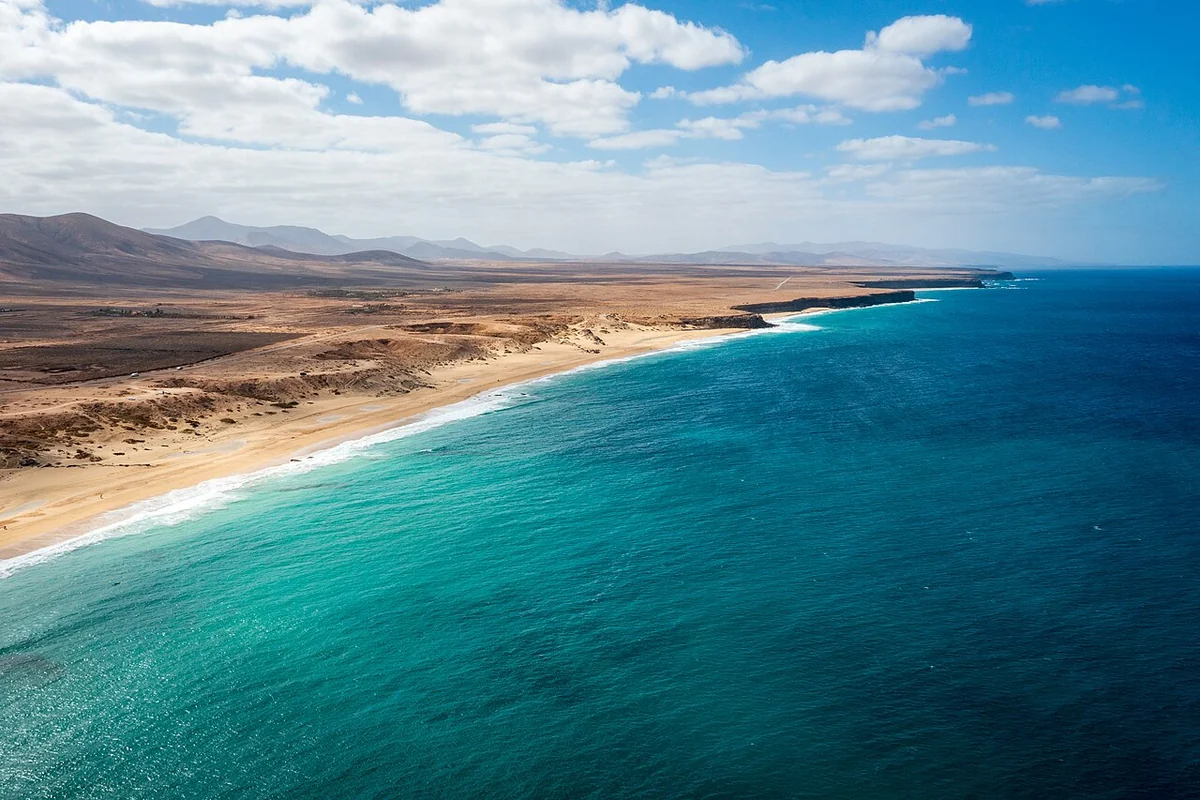
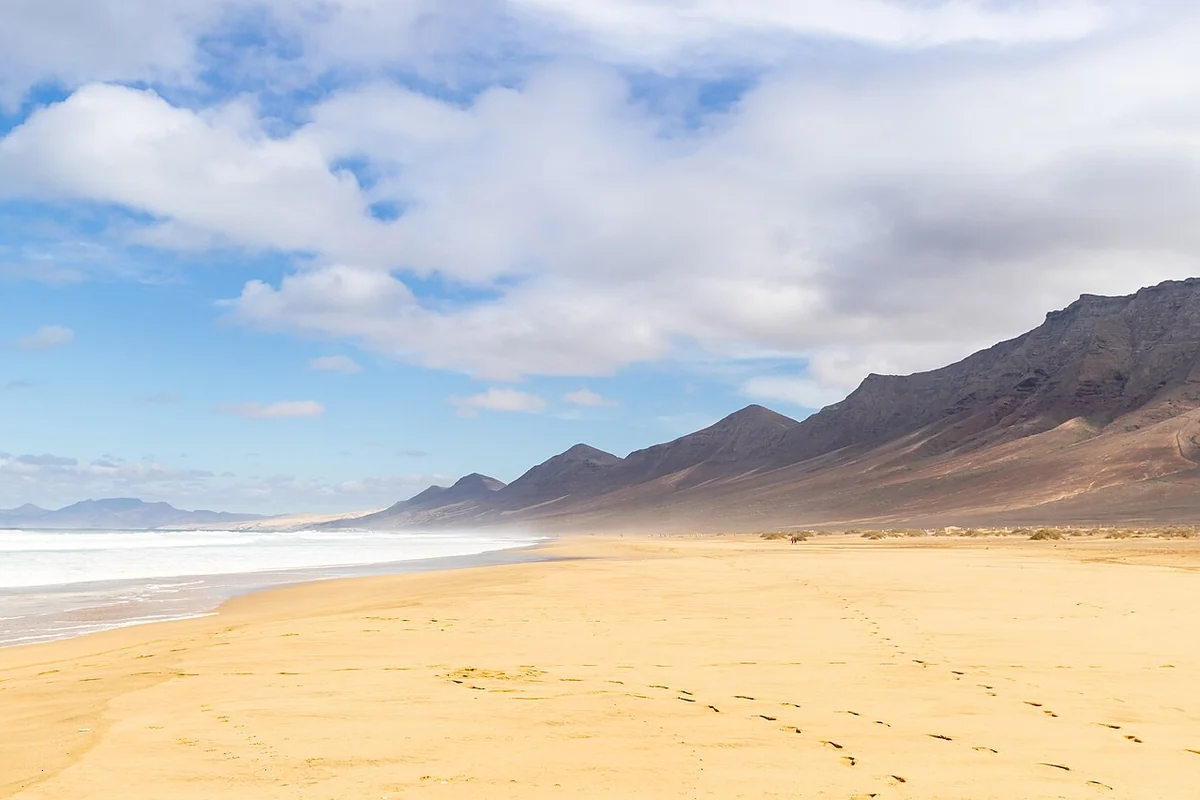
Foto: dronepicr · CC BY 2.0 · Wikimedia Commons Cofete is Fuerteventura at its wildest: an enormous beach, mountains behind, a powerful ocean and an approach that already filters out anyone after easy comfort. Villa Winter adds a touch of mystery, but its tales are best treated as legend rather than settled history. What matters here is the landscape, the scale and the sense of being a long way from almost everything.
Tip: Access is by a long dirt track from Morro Jable, and not every hire contract covers unsurfaced tracks. Set off in daylight, check the wind, and don't make swimming the main aim: the sea can be serious.
-
13
South · Jandía
Sotavento and its lagoons
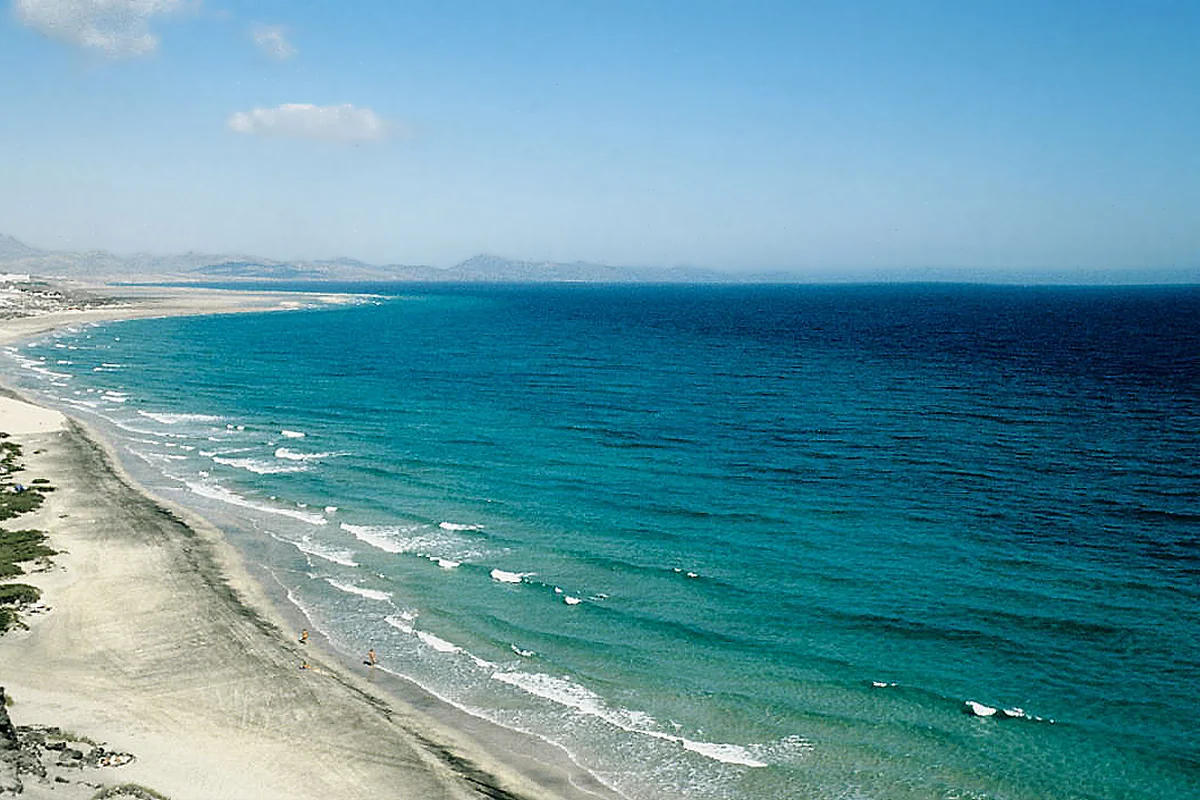
Foto: LBM1948 · CC BY-SA 4.0 · Wikimedia Commons Sotavento is one of the great images of the south: miles of pale sand, lagoons at low tide and wind enough to explain why Fuerteventura is a world reference for windsurfing and kitesurfing. The beach is a different place at high tide than at low, and that shift is part of its appeal. Even without taking up a wind sport, it's worth a long walk.
Tip: Check the tide and wind before you go. If you want a photo of the lagoons or a first taste of kite or windsurf, the time of day matters more than rolling up whenever.
-
14
South · Jandía
Morro Jable, Playa del Matorral and the lighthouse
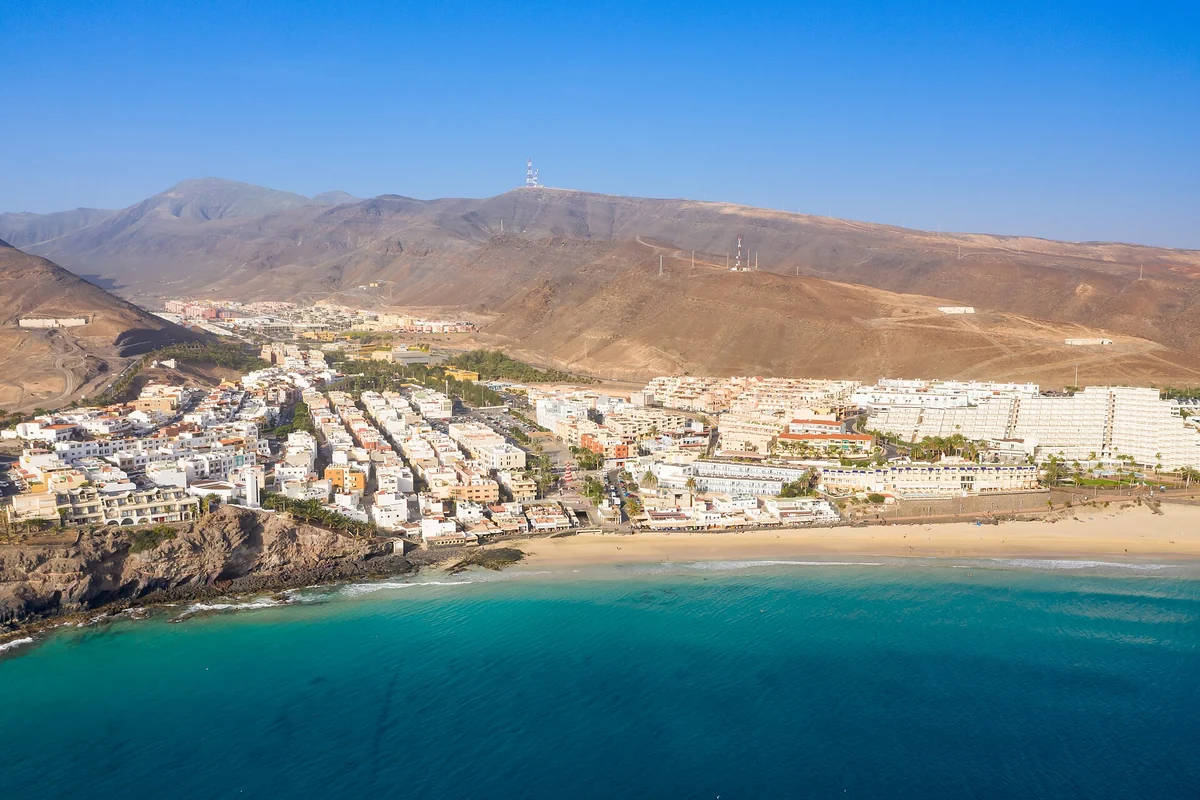
Foto: dronepicr · CC BY 2.0 · Wikimedia Commons Morro Jable is the most practical base for exploring Jandía without giving up amenities, a seafront promenade and a long beach. Playa del Matorral, the Saladar de Jandía and the lighthouse make for an easy, clean visit, and one quite unlike Cofete. It's also a good spot for boat trips, sea activities and for ending a southern route without driving tracks after dark.
Tip: If the day includes Cofete, save Morro Jable for lunch, a stroll or a quiet swim. If you're skipping Cofete, combine Matorral, Sotavento and a southern viewpoint on a less demanding day.
Itinerary
Fuerteventura in 2-3 days
- Morning: Corralejo Natural Park and Grandes Playas, walking in from the designated car parks.
- Midday: Isla de Lobos if you have a permit and a boat booked; if not, swap Lobos for more time in Corralejo or a stop at La Oliva and Tindaya.
- Afternoon: El Cotillo, the La Concha lagoons and the Faro del Tostón to finish with the sunset.
Don't try to squeeze in Lobos without a permit and a confirmed boat. If you're travelling with children or short on time, Corralejo and El Cotillo already fill the day nicely.
- Morning: Antigua and the route towards Betancuria, with a stop at Morro Velosa or the FV-30 viewpoints if the access fits.
- Midday: Betancuria at an unhurried pace, with lunch or a short break before pushing on to Pájara.
- Afternoon: Pájara and the Cuevas de Ajuy, allowing enough daylight to walk the coastal path without rushing.
This is the most cultural day and the one with the most interior driving. If you're staying in the south, you can reverse the order and save Ajuy for first thing.
- Morning: Playa de Sotavento, trying to line up the tide and wind to catch the lagoons or take up a watersport.
- Midday: Morro Jable, Playa del Matorral and the lighthouse, with a logistical pause before deciding whether to take on Cofete.
- Afternoon: Cofete only if you have daylight, time to spare and a car or contract that allows the track. If not, extend Matorral, Jandía or a sea activity from Morro Jable.
With only 2 days, choose between Cofete and Lobos: doing both on a short trip tends to leave too much driving and too little enjoyment.
Activities
Things to do in Fuerteventura
Beyond what to see under your own steam, Fuerteventura works very well with sea trips, wind sports and guided routes. Without a car, much of the north, the centre and Jandía are poorly connected for a short trip.
Isla de Lobos by boat, kayak or snorkelling
A half-day plan with clear water and an easy walk, ideal if you're staying in Corralejo. Before booking, check the access permit, the state of the sea and whether the excursion includes arranging the permit.
Surf, windsurf or kitesurf
Corralejo and El Cotillo suit surfing better; Sotavento is a world reference for windsurf and kite. The wind calls the shots: choose your beach, level and school by the forecast. To start out, a guided lesson beats hiring kit without local knowledge.
Cofete trip by 4x4 or with a guide
To see the wild south without taking on all the track logistics. Not every hire car is allowed on unsurfaced tracks; if your contract doesn't cover it or you're not comfortable driving off-road, a guided trip is the better call.
Interior route by car
Antigua, Betancuria, Pájara, Ajuy and Salinas del Carmen to understand the island beyond the beach. Book the car ahead in high season and check the insurance, fuel and track conditions.
Loading tours & activities in Fuerteventura…
FAQ
FAQs about what to see in Fuerteventura
What is there to see in Fuerteventura?
The essentials mean combining north, centre and south: the Corralejo Dunes, Isla de Lobos, El Cotillo, Betancuria, Morro Velosa, Ajuy, Cofete, Sotavento and Morro Jable. If you're short on time, don't try to see it all: pick one well-judged northern route and one centre-south route.
What is there to do in Fuerteventura?
The best activities tend to be tied to the sea and the wind: the boat to Lobos, snorkelling, surf, windsurf, kitesurf, Cofete trips, whale and dolphin watching, and interior routes by car. The choice depends on where you're staying, the wind and how many days you have.
Where is Fuerteventura?
Fuerteventura is in the Canary Islands, in the province of Las Palmas. It lies south of Lanzarote, separated by the Estrecho de la Bocaina, and east of Gran Canaria; its main airport is near Puerto del Rosario.
What is the capital of Fuerteventura?
Fuerteventura's present-day capital is Puerto del Rosario. Betancuria was the historic capital, which is why it remains a key stop for understanding the island's early colonial period and its heritage.
What should I visit in Fuerteventura?
For a balanced route, give priority to Corralejo and Lobos in the north, Betancuria and Ajuy in the centre-west, and Sotavento, Morro Jable and Cofete in Jandía. Add Tindaya, Antigua, Pájara or Salinas del Carmen if you have a car and time to spare.
How many days do you need to see Fuerteventura?
With 2 days you can see the north and a centre-west route, leaving the south for another trip. With 3 days you can fit in Corralejo/Lobos/El Cotillo, Betancuria/Ajuy and Jandía/Cofete. With 4 or 5 days the island is more enjoyable, because the wind and the distances stop dictating quite so much.
Keep planning
More for your trip to Fuerteventura
Other islands