A practical Canarias.app guide
14 places to see on La Gomera
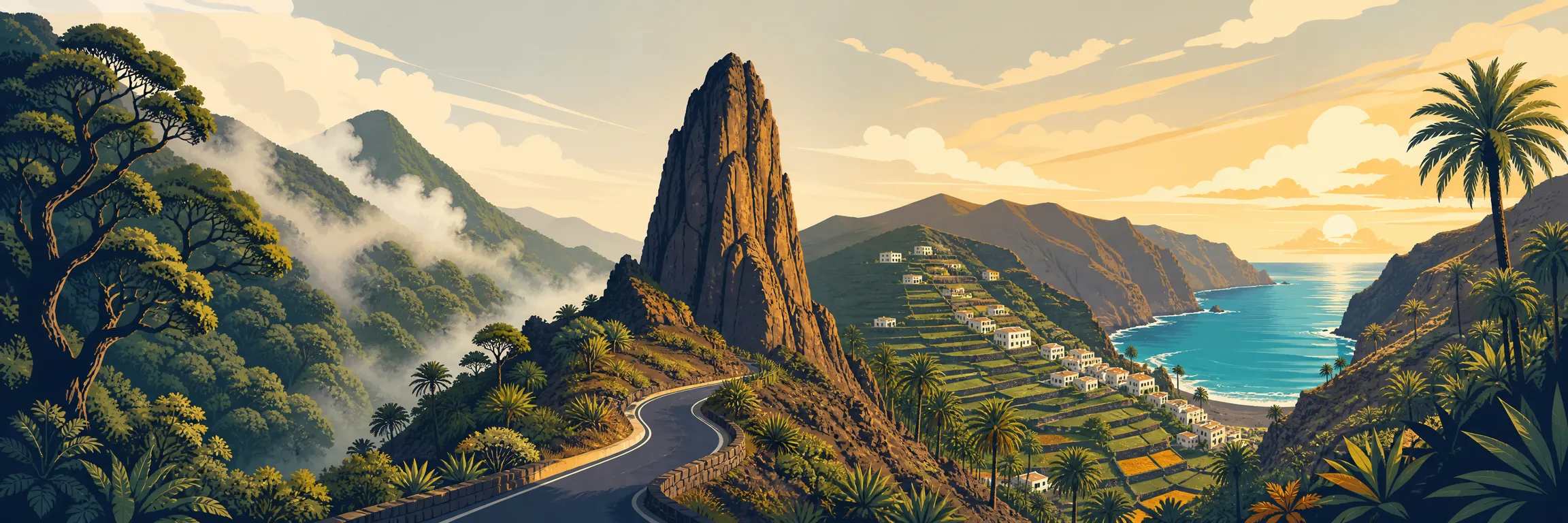
Laurel forest, ravines, viewpoints clinging to the edge, whitewashed villages, quiet beaches and a culture of its own that you hear in the form of whistling.
See tours & activities in La GomeraWhat to see on La Gomera: Garajonay, Roque de Agando, Agulo and Valle Gran Rey capture its essence: misty laurel forest, volcanic crags, viewpoints over deep ravines and a slow coastline made for sunsets. The island rewards an unhurried pace, taking the bends in your stride and swapping beach for forest when the moment calls for it.
How to explore it
What to see in La Gomera, area by area
La Gomera makes more sense once you slow down. It is a small island in kilometres but an intense one in hairpins, sheer drops and shifts of light: a damp forest in Garajonay, a viewpoint over Agulo, a road that tumbles down to Valle Gran Rey and a return ferry you really shouldn't cut too fine.
-
1
Centre
Garajonay, the laurel forest that defines La Gomera

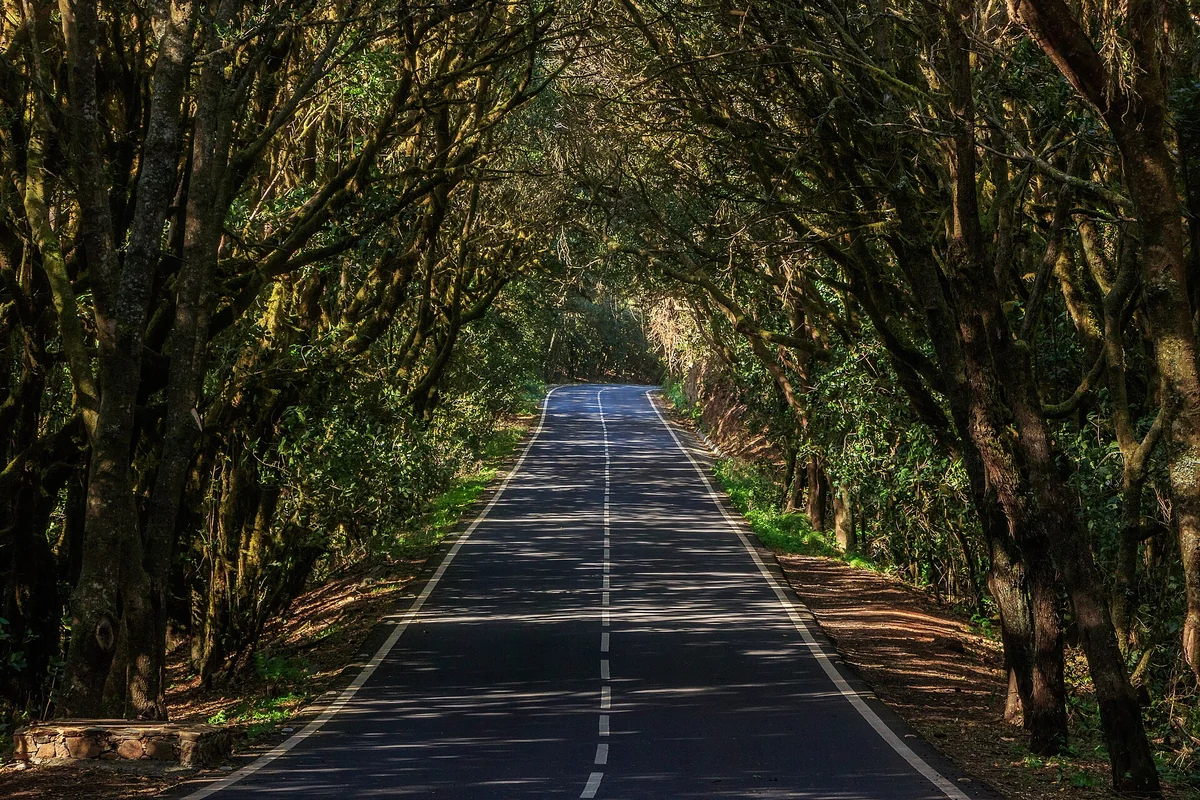
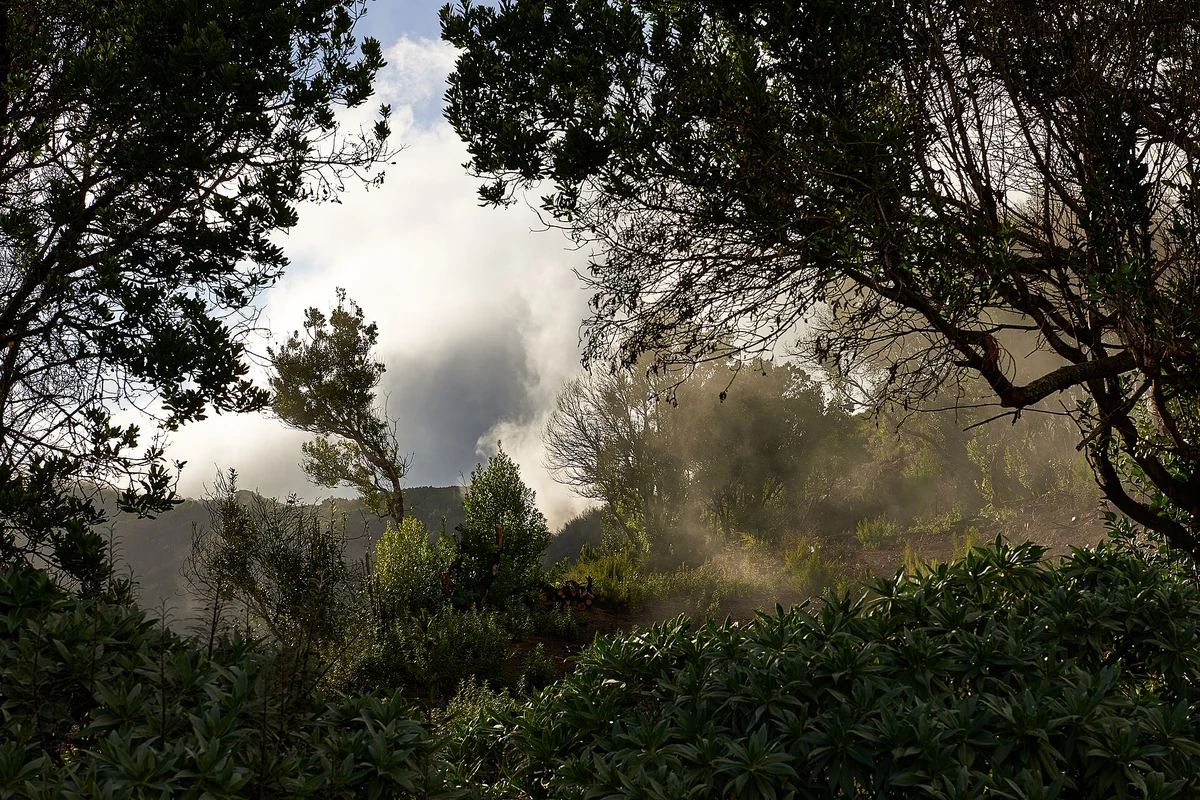
Foto: Llez · CC BY-SA 3.0 · Wikimedia Commons Garajonay National Park is the natural heart of the island and the one visit that best explains why La Gomera looks nothing like a postcard beach. Its laurel forests, relics of an ancient climate, wrap the summit in mist, damp, ferns and cool footpaths. Within the park, the Alto de Garajonay marks the island's highest point and lets you read the whole landscape whenever the sky clears.
Tip: Treat the park as a national park, not just a viewpoint. Wear shoes with decent grip, pack a layer even if you set off from the coast, and check the state of the trails if it has rained or there is a weather warning.
-
2
Centre · north
Laguna Grande and El Cedro, the most walkable Garajonay
Foto: Stefan Koehler · CC BY-SA 4.0 · Wikimedia Commons Laguna Grande is the gentlest way into the forest without committing to a tough route, with a picnic area and short strolls through the laurel. El Cedro, by contrast, lets you feel the park more deeply on foot: a humid ravine, dense vegetation, running water and a change of mood that makes La Gomera seem far larger than it is.
Tip: If you are short on time, use Laguna Grande as an orientation stop. If you want to walk, set aside several hours for El Cedro and avoid heading into damp trails late: the light fades sooner under the canopy.
-
3
Centre
Roque de Agando, the island's most recognisable silhouette
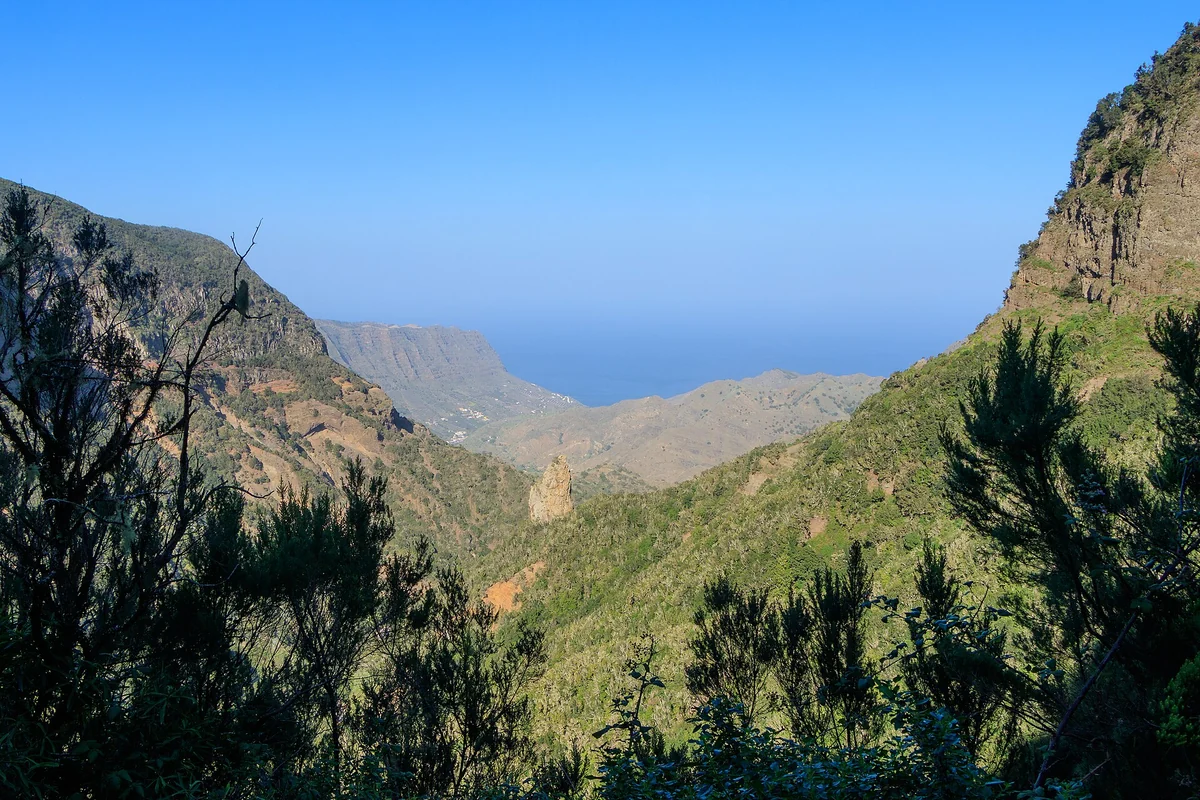
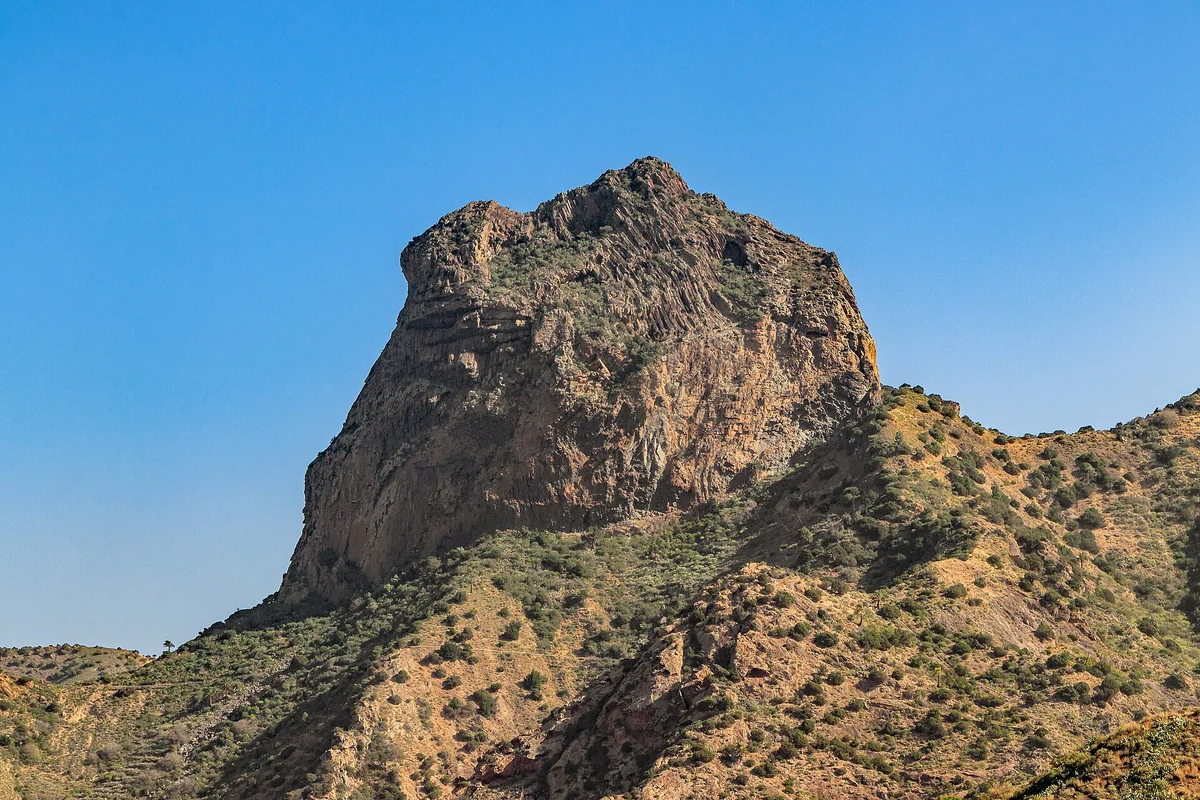
Foto: Llez · CC BY-SA 3.0 · Wikimedia Commons The Roque de Agando and the wider Los Roques cluster appear on countless La Gomera postcards for a simple reason: they are the most direct expression of the island's volcanic origins. These eroded spires and domes rise beside the road that crosses the island, between Garajonay and San Sebastián, turning a simple transfer into a major scenic stop.
Tip: Don't try to turn Los Roques into an improvised outing off the permitted routes. For most travellers, the right way to see them is from signposted viewpoints and lay-bys, without straying into climbing areas or exposed edges.
-
4
North
Mirador de Abrante, Agulo at your feet and the Teide opposite
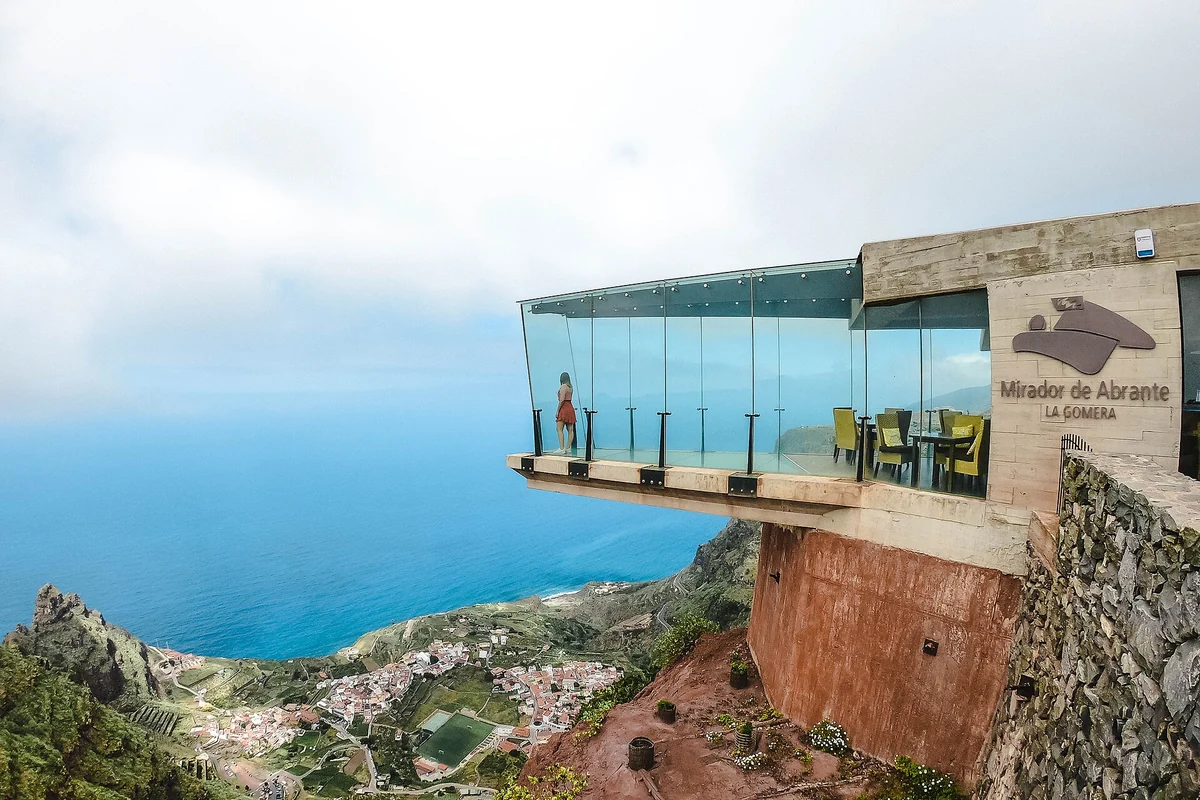
Foto: Hotel Jardín Tecina · CC BY-SA 4.0 · Wikimedia Commons Abrante is the viewpoint people remember most on La Gomera: a glass walkway suspended over the north, with Agulo below and Tenerife in the distance when visibility allows. Rather than chasing only the shot of the glass floor, it is worth pausing to take in the lie of the land: terraces, ravines, coast and a neighbouring island that seems within reach.
Tip: Head up with time to spare, as the mist can close the view in minutes. If the day is overcast, pair Abrante with Agulo and Juego de Bolas, so the plan doesn't hinge entirely on a clear panorama.
- Rent a car to explore La Gomera
-
5
North
Agulo, the pretty village of the gomero north
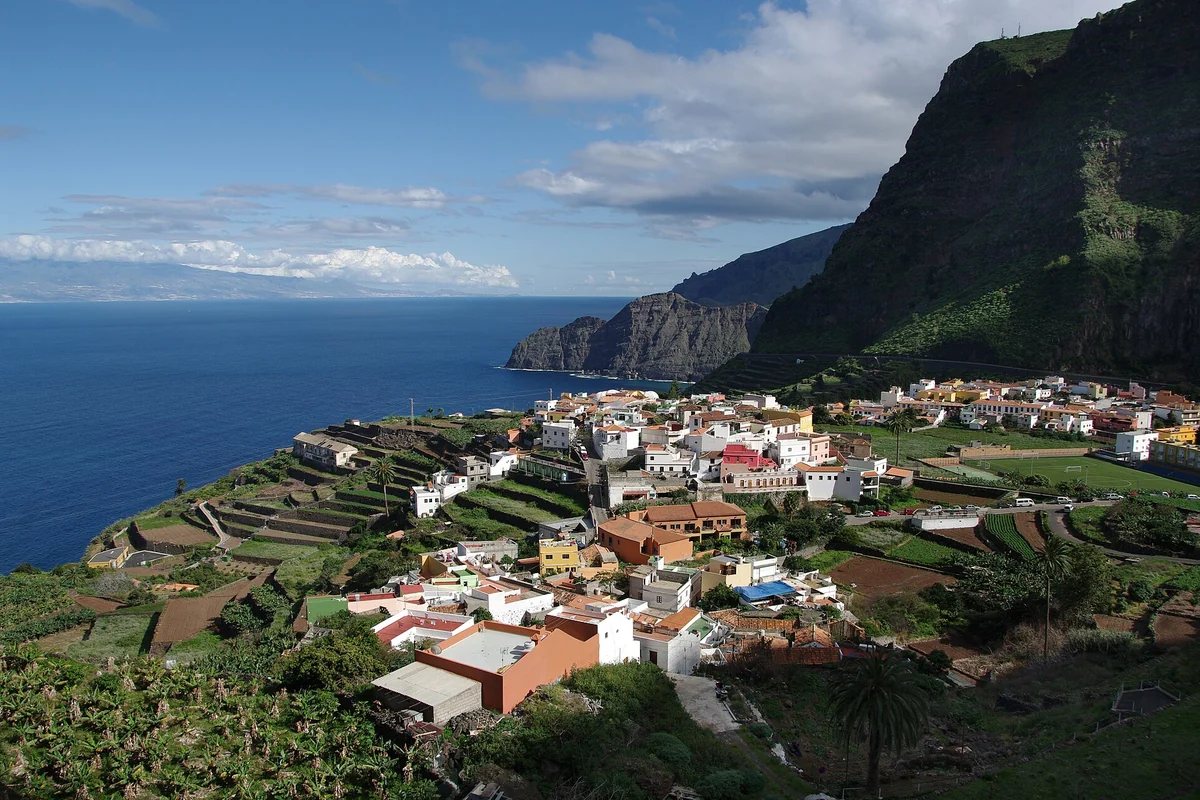
Foto: Ar Herrmann · CC BY-SA 4.0 · Wikimedia Commons Agulo has a reputation as one of the prettiest villages in the Canaries thanks to its scale, its well-kept centre and its setting at the foot of a basalt wall that makes it look like a green balcony over the Atlantic. Cobbled streets, low houses, allotments, small squares and views towards Tenerife make for a quiet stop, better walked than rushed.
Tip: Park where you won't get in the way and walk into the centre on foot. Agulo is best taken slowly: Abrante gives you the aerial view, but the village comes alive down in the streets.
-
6
North
Hermigua, a farming valley between Garajonay and the sea
Foto: Llez · CC BY-SA 3.0 · Wikimedia Commons Hermigua drops from the cloud forest down to the Atlantic among palms, banana plantations and cultivated slopes. It is one of the most complete landscapes in the north: valley, farming history, the Pescante as a relic of its harbour days, and volcanic beaches such as La Caleta, with views towards the Teide on clear days. A reminder that La Gomera is not all forest: it is also rugged coast and rural life.
Tip: Don't treat Hermigua as a ten-minute stop between Agulo and Garajonay. If you head down to the Pescante or La Caleta, factor in the bends, parking and the state of the sea before you go in for a swim.
-
7
North · west
Vallehermoso, a quiet centre and vertical mountains
Foto: Llez · CC BY-SA 3.0 · Wikimedia Commons Vallehermoso covers one of the largest areas on the island and mixes a historic centre, farming, trails, coastline and the Roque Cano as a visual landmark. It makes a natural base for exploring the north and for getting to grips with the less obviously photogenic Gomera, yet one rich in layers: ravines, crafts, vineyards, palm groves and traditional architecture.
Tip: If you have a car, use it as a genuine break between Agulo and the west. Don't mistake the map's short distances for quick journeys: here every ravine stretches out the day.
-
8
North coast
Los Órganos, basalt columns seen from the sea
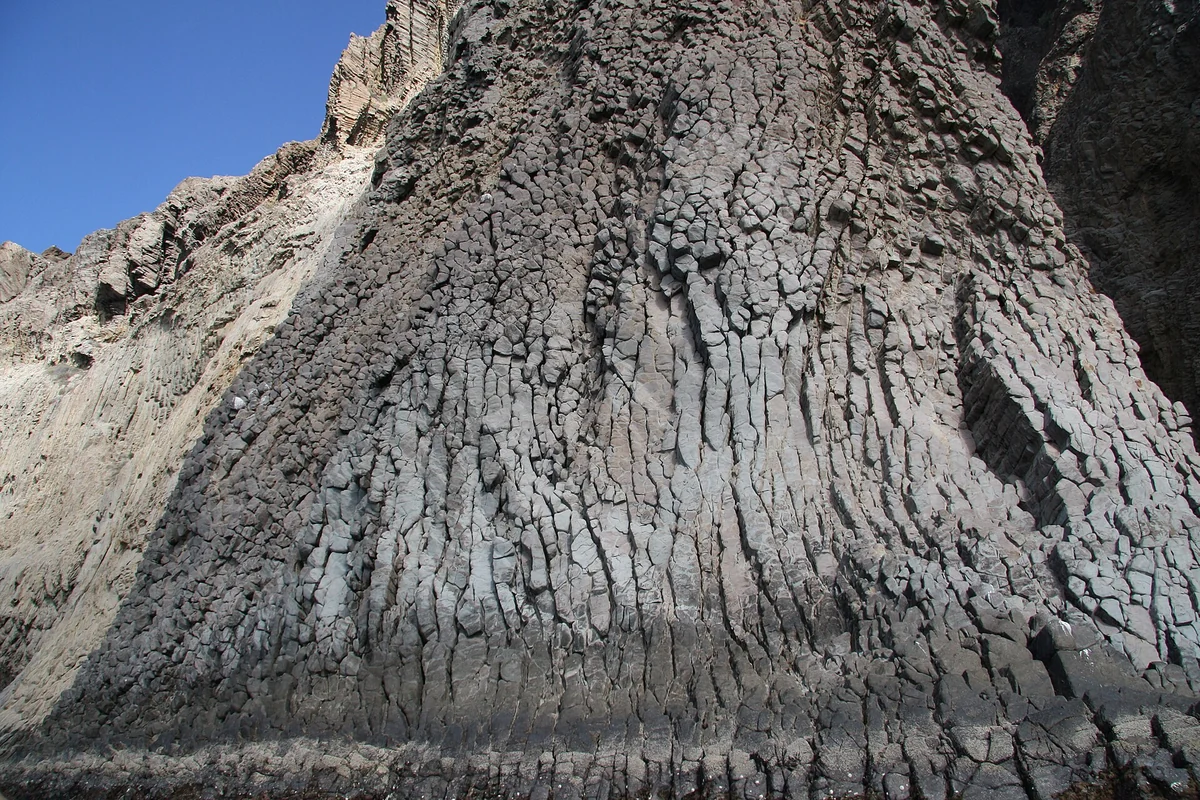
Foto: GerritR · CC BY-SA 4.0 · Wikimedia Commons Los Órganos are one of the most striking volcanic formations on La Gomera: a wall of basalt columns on the north-west coast, only reachable to the eye from the sea. The visit changes the scale of the island, letting you see cliffs, ravines and coastline from the outside, not just from inland roads.
Tip: Only book a boat if the state of the sea allows, and accept that there may be changes or cancellations. Trips tend to set off from villages such as Valle Gran Rey or Playa de Santiago, and it is wrong to promise sightings or views when the sea won't let you get close.
-
9
Capital
San Sebastián, Columbus's town and the island's gateway
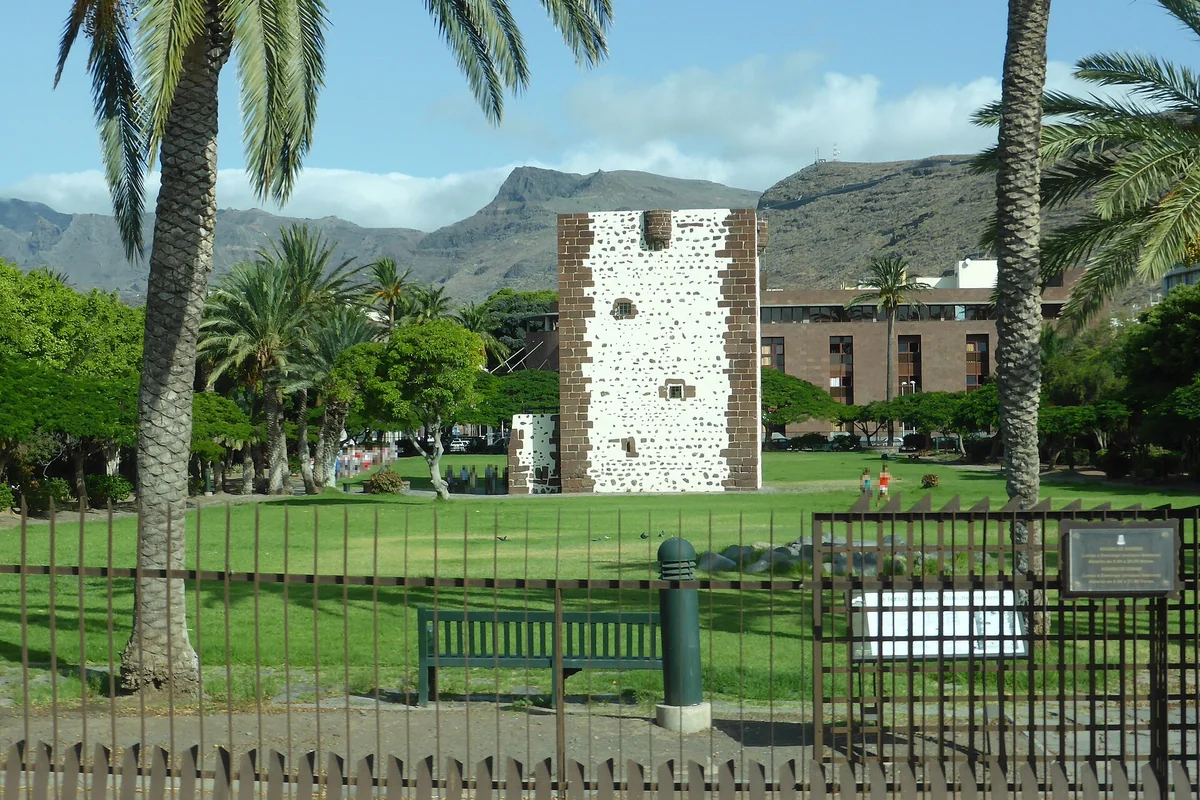
Foto: Aisano · CC BY-SA 3.0 · Wikimedia Commons San Sebastián de La Gomera is the capital, the main port and many travellers' first sight of the island as they arrive by ferry from Tenerife. Its centre keeps the scale of an Atlantic town, with colourful houses, courtyards, the Church of La Asunción, the Casa de Colón and the Torre del Conde, a 15th-century Castilian fortress. A brief visit, but a necessary one if the island is not to be reduced to nature alone.
Tip: Fit it in at the start or the end, depending on the ferry. If you are doing a day trip from Tenerife, don't spend the whole morning in the capital: leave real time for Garajonay and the viewpoints.
-
10
West
Valle Gran Rey, terraces, palms and sunset
Foto: Llez · CC BY-SA 3.0 · Wikimedia Commons Valle Gran Rey holds the most free-spirited side of the gomero west: a deep ravine, farming terraces, palm groves, neighbourhoods by the sea, Puerto de Vueltas and beaches where the day ends in long, low light. Playa del Inglés is one of the valley's best-known images, especially at sunset, though swimming always depends on the swell.
Tip: Stay for the evening light if you are sleeping on the island. If you are taking the ferry back the same day, don't push the sunset: the road back to San Sebastián takes time and plenty of bends.
-
11
West
Palmarejo, the framed panorama of Valle Gran Rey
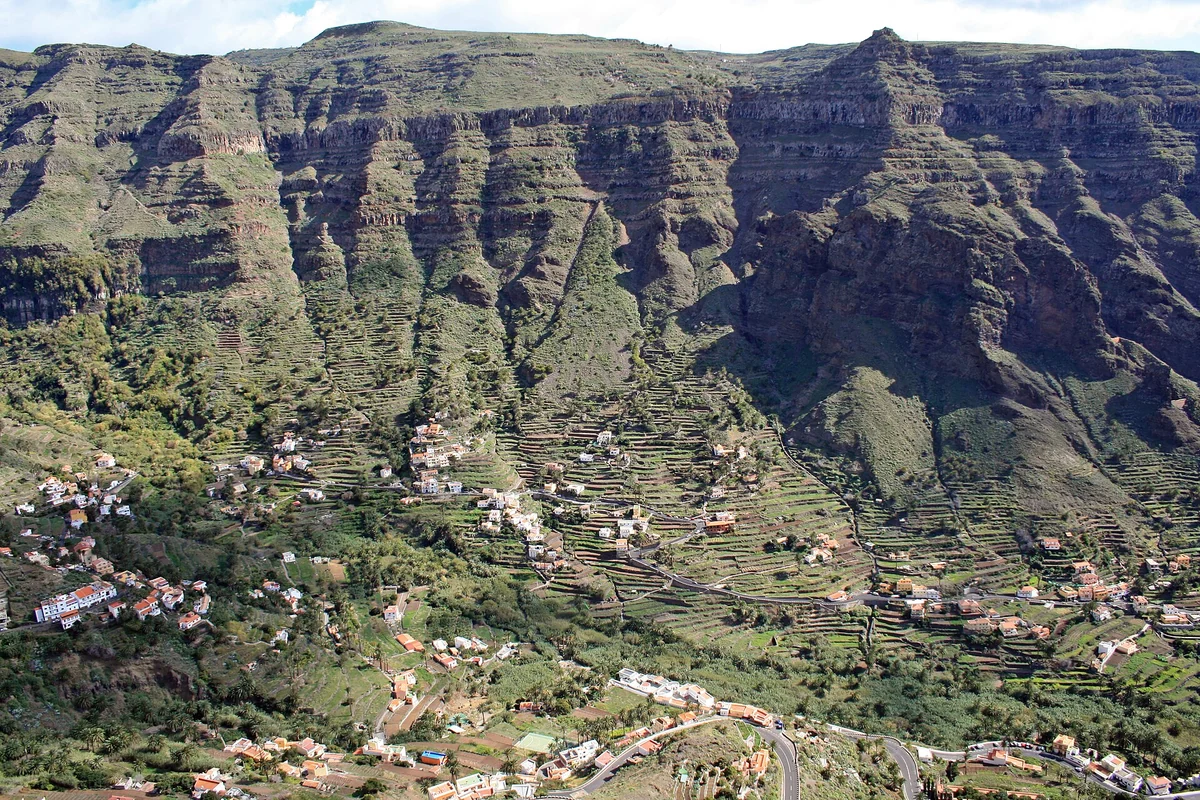
Foto: Axel Brocke · CC BY-SA 2.0 · Wikimedia Commons Before dropping down to the sea, the Mirador del Palmarejo lets you see Valle Gran Rey as an amphitheatre of terraces, palms and hamlets descending towards the coast. It is a genuinely useful stop because it gives context to everything you go on to explore below: the ravine, the terraces and the change in altitude that makes this side of La Gomera so distinctive.
Tip: Make the stop on the way down, not on the way back up in a hurry. The view is a good one, but the real point is to use it to fix the valley in your mind.
-
12
South
Playa de Santiago, the sunniest, most seafaring south
Foto: Llez · CC BY-SA 3.0 · Wikimedia Commons Playa de Santiago is the most comfortable coastal hub in the south: a seafront promenade, a fishing and marina harbour, generally kinder waters than other exposed spots, and a relaxed setting in which to eat or round off a route through Alajeró. It is also close to the island airport, handy if you arrive on an inter-island flight.
Tip: Don't sell it as a vast stretch of endless sand: its value lies in the climate, the promenade, the harbour and the rest between bends. For snorkelling or swimming, always check the sea and the local signage.
-
13
Summit · south
Igualero and Mirador del Santo, landscape and culture at altitude
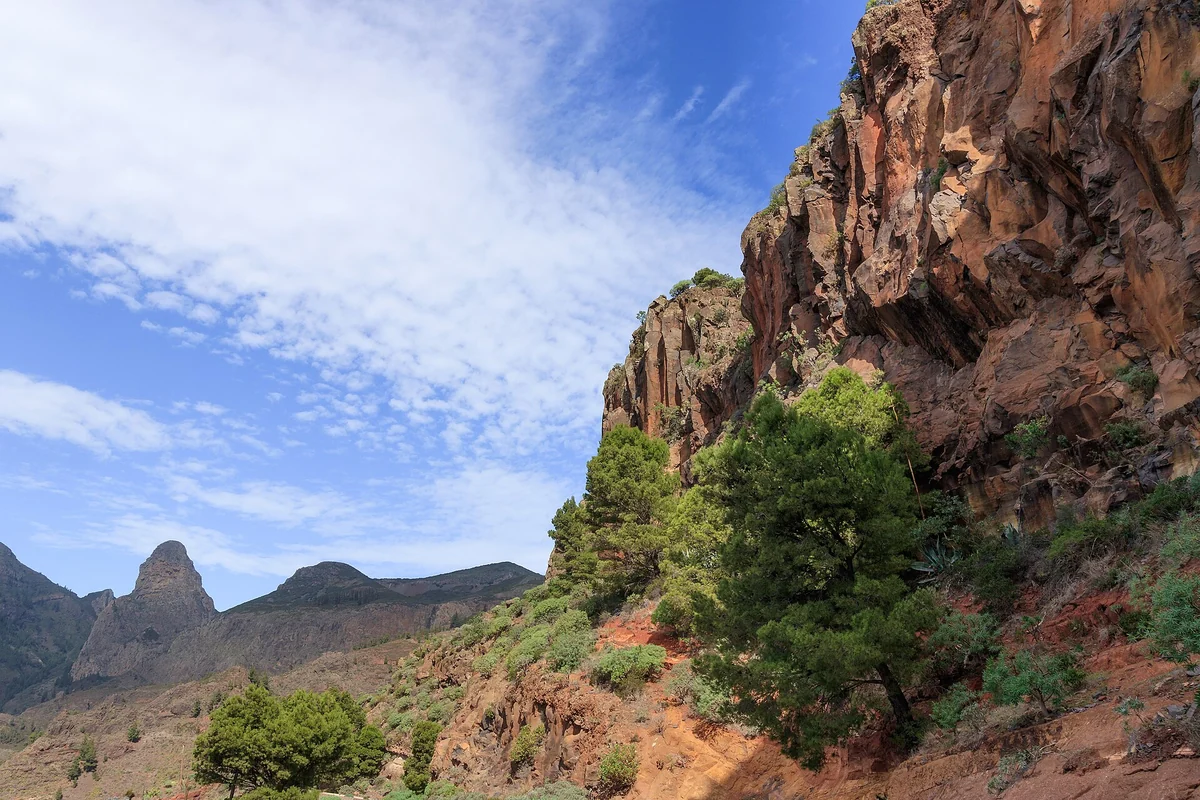
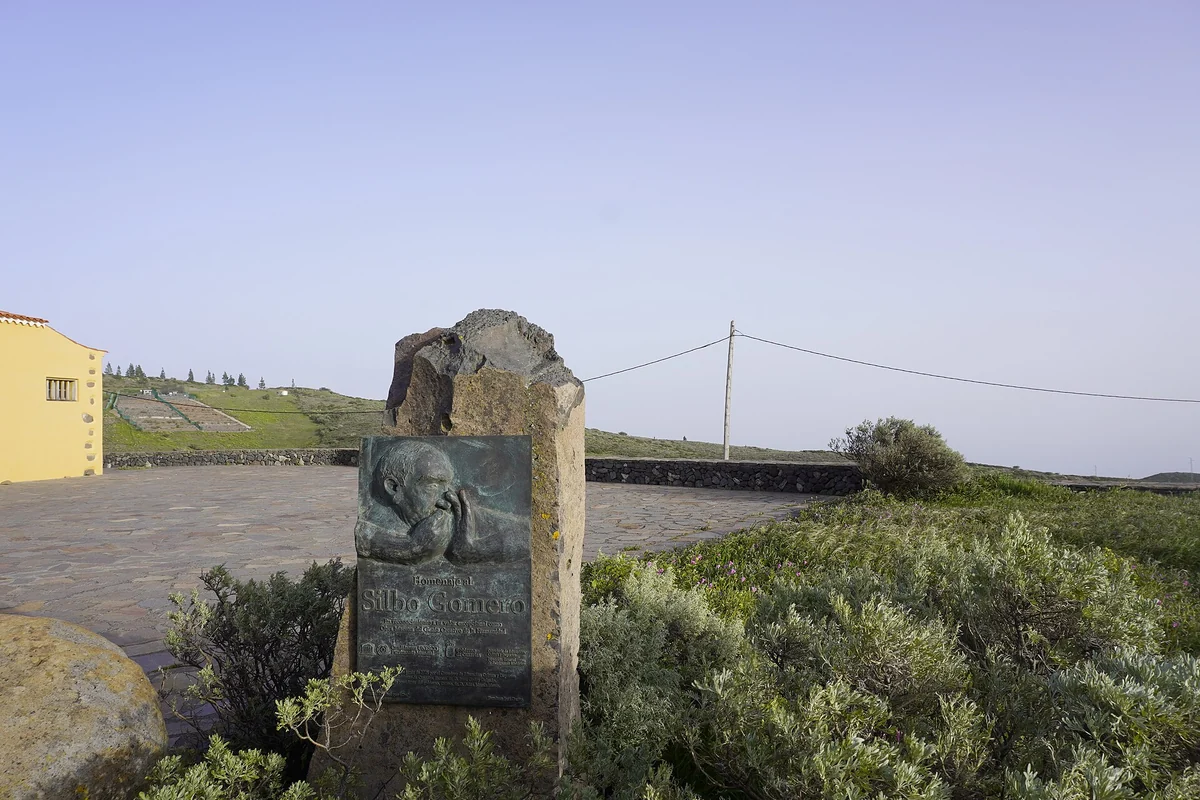
Foto: Herbert Weber · CC BY-SA 4.0 · Wikimedia Commons The area around Igualero and the Mirador del Santo brings together landscape, altitude and gomero culture. From here you grasp the presence of the Fortaleza de Chipude and the southern ravines, and you also come upon the Monument to the Silbo Gomero, a fine reminder that the whistled language is no postcard but a living tongue, born to bridge real distances between hillsides.
Tip: For the Silbo Gomero, seek out a proper demonstration or cultural explanation rather than treating it as a photo beside a sculpture. It is Intangible Cultural Heritage and deserves context.
-
14
Summit · south
Chipude, La Fortaleza and aboriginal Gomera
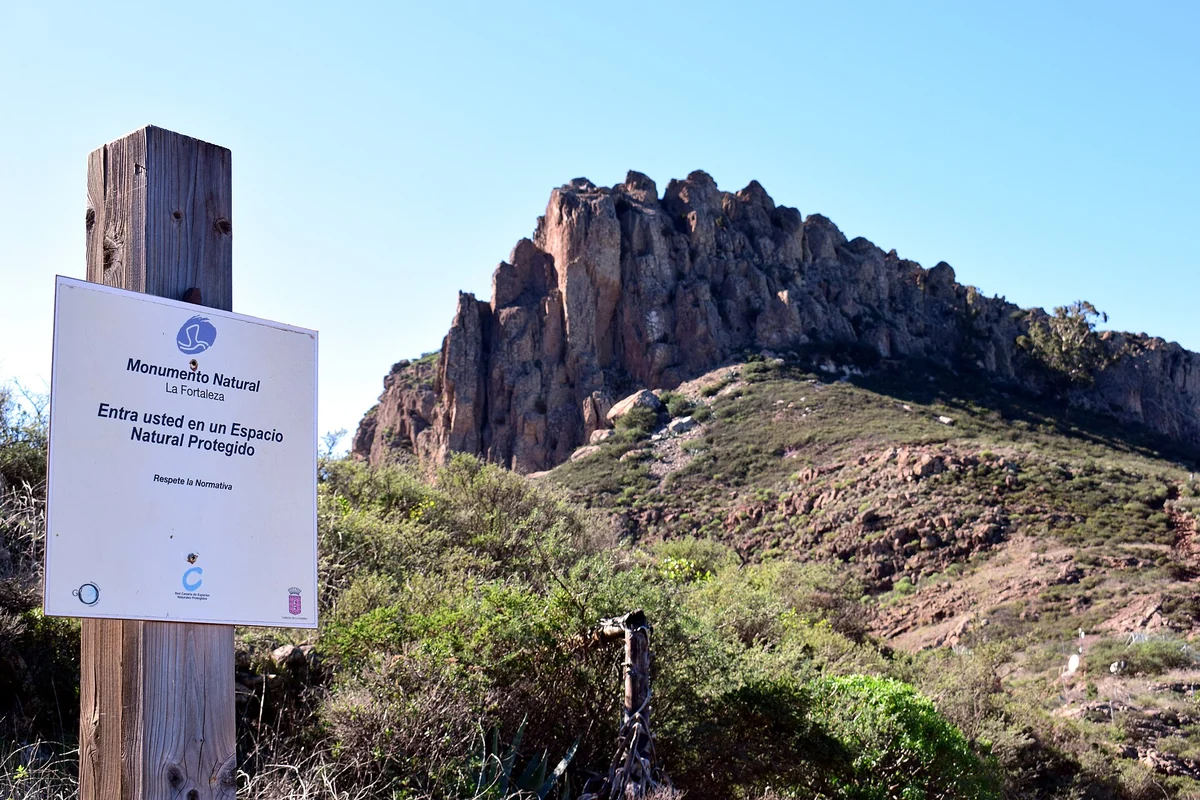
Foto: Dreizung · CC BY-SA 4.0 · Wikimedia Commons The Fortaleza de Chipude is a natural tabletop mountain rising over the south and one of the island's most powerful landscapes. Its summit holds both natural value and archaeological memory, tied to former ritual uses. Nearby, El Cercado keeps the gomero pottery tradition alive, a cultural stop that balances a route otherwise dominated by forests and viewpoints.
Tip: Climbing La Fortaleza calls for the right trail, respect for the signage and suitable conditions. If you are not going to walk it, the Igualero viewpoint offers an excellent reading of the whole without forcing the route.
Itinerary
La Gomera in 2-3 days
- Morning: arrive by ferry from Los Cristianos if you are coming from Tenerife, a short stroll around San Sebastián de La Gomera and the climb up towards Los Roques and the Roque de Agando.
- Midday: Garajonay National Park, Laguna Grande or a short stretch of El Cedro depending on time, weather and how much you fancy walking.
- Afternoon: down towards Hermigua, Agulo and the Mirador de Abrante, ending the day in the north if you are staying on the island.
If your ferry arrives late, trim either the capital or the north. Garajonay, with its mist and winding roads, should not be rushed just to tick off points.
- Morning: Mirador del Santo, Igualero and views towards the Fortaleza de Chipude; if you come prepared, the trail to La Fortaleza or a cultural stop in El Cercado.
- Midday: down towards Valle Gran Rey with a stop at the Mirador del Palmarejo to take in the valley before you reach the coast.
- Afternoon: Puerto de Vueltas, La Calera, Playa del Inglés and sunset in Valle Gran Rey if you don't have to cross the island again in a hurry.
If you want to take the boat to Los Órganos, rejig this day: the trip depends on the sea and can take several hours from Valle Gran Rey or Playa de Santiago.
- Morning: Playa de Santiago and a walk through the south, with the option of an easy swim if the sea allows or a stop in Alajeró if you prefer the interior.
- Midday: a gradual return towards San Sebastián, avoiding stringing together too many viewpoints if the ferry leaves in the afternoon.
- Afternoon: the Torre del Conde, the Casa de Colón, the historic centre and boarding for Los Cristianos with plenty of time to spare.
With only 2 days, prioritise Day 1 and Day 2. The capital can slot in on arrival or before boarding, but don't sacrifice Garajonay for a long urban stroll.
Activities
Things to do in La Gomera
Beyond what to see under your own steam, La Gomera works very well with guided activities if you get the logistics right: hiking in Garajonay, the culture of the Silbo Gomero, a boat to Los Órganos or an organised day trip from Tenerife. Many routes really begin with the boat from Los Cristianos.
Hiking in Garajonay and El Cedro
For travellers who come to La Gomera for nature, damp forest, silence and half-day routes without turning the island into a race. Choose the route to suit the weather, your fitness and your start time: El Cedro, Laguna Grande and the Alto de Garajonay are not equally demanding.
A Silbo Gomero cultural experience
To understand the island beyond its viewpoints. Favour demonstrations with context rather than hollow shows: the Silbo Gomero is UNESCO Intangible Cultural Heritage and remains bound up with island life and schooling.
A boat to Los Órganos or responsible wildlife watching
To see the gomera coast from the sea and grasp the scale of the cliffs in the north and west. It all depends on the state of the sea: check the departure point, the duration, the cancellation policy and a responsible approach if there are cetaceans.
A road trip by car or a day excursion from Tenerife
For those staying on Tenerife or anyone wanting a taste of La Gomera without sleeping there, accepting that there will be some picking and choosing. If you go independently, coordinate the ferry from Los Cristianos, the car and return times; if you book an excursion, check that it includes Garajonay.
Loading tours & activities in La Gomera…
FAQ
FAQs about what to see in La Gomera
What is there to see on La Gomera?
The essentials are a mix of Garajonay, viewpoints, villages and coast: Garajonay National Park, Laguna Grande, El Cedro, the Roque de Agando and Los Roques, the Mirador de Abrante, Agulo, Hermigua, Vallehermoso, Los Órganos, San Sebastián de La Gomera, Valle Gran Rey, Playa de Santiago, Igualero and the Fortaleza de Chipude.
What is there to do on La Gomera?
The best activities are hiking in Garajonay, a Silbo Gomero cultural experience, a boat trip out to Los Órganos if the sea allows, a drive around the viewpoints and villages, or a day trip from Tenerife if you have only one day.
How do you get to La Gomera?
The usual way for visitors is to fly to Tenerife and take the ferry from Los Cristianos to San Sebastián de La Gomera. The island also has an airport at Alajeró, but it is used for inter-island flights, mainly to Tenerife North and Gran Canaria; it is not a direct international gateway like those of the larger islands.
How many days do you need to see La Gomera?
With 2 days you can see Garajonay, the north, a few viewpoints and Valle Gran Rey if you plan the journeys well. With 3 days the island is far more enjoyable: the south comes in, along with Playa de Santiago, a more leisurely look at San Sebastián and room for a walk or a boat trip without watching the clock so closely.
Is it worth hiring a car on La Gomera?
Yes, especially if you are sleeping on the island and want to combine Garajonay, Agulo, Hermigua, Vallehermoso, Valle Gran Rey, Playa de Santiago and Chipude. There is public transport, but the tourist routes mix viewpoints, villages and trails on schedules that are far easier to manage with a car.
Can you visit La Gomera in a day from Tenerife?
Yes, but treat it as a first taste of the island. In a day it is best to prioritise an early ferry, a brief look at San Sebastián, the Roque de Agando, Garajonay, a viewpoint or two and perhaps Agulo. Valle Gran Rey, Playa de Santiago and Los Órganos tend to need more time or a night on the island.
Keep planning
More for your trip to La Gomera
Other islands