Canarias.app travel guide · Gran Canaria
Gáldar (Gran Canaria): the city of the guanartemes
Gáldar is one of the key historic cities in northern Gran Canaria: once the court of the guanartemes, it retains a symbolic weight that goes far beyond its size. Its great reference point is the Cueva Pintada, an archaeological site and museum that opens up the island’s Indigenous past. The old centre adds the church of Santiago de los Caballeros, squares, traditional architecture and a dragon tree in the town hall courtyard. It can be combined with Sardina, the north coast and Agaete.
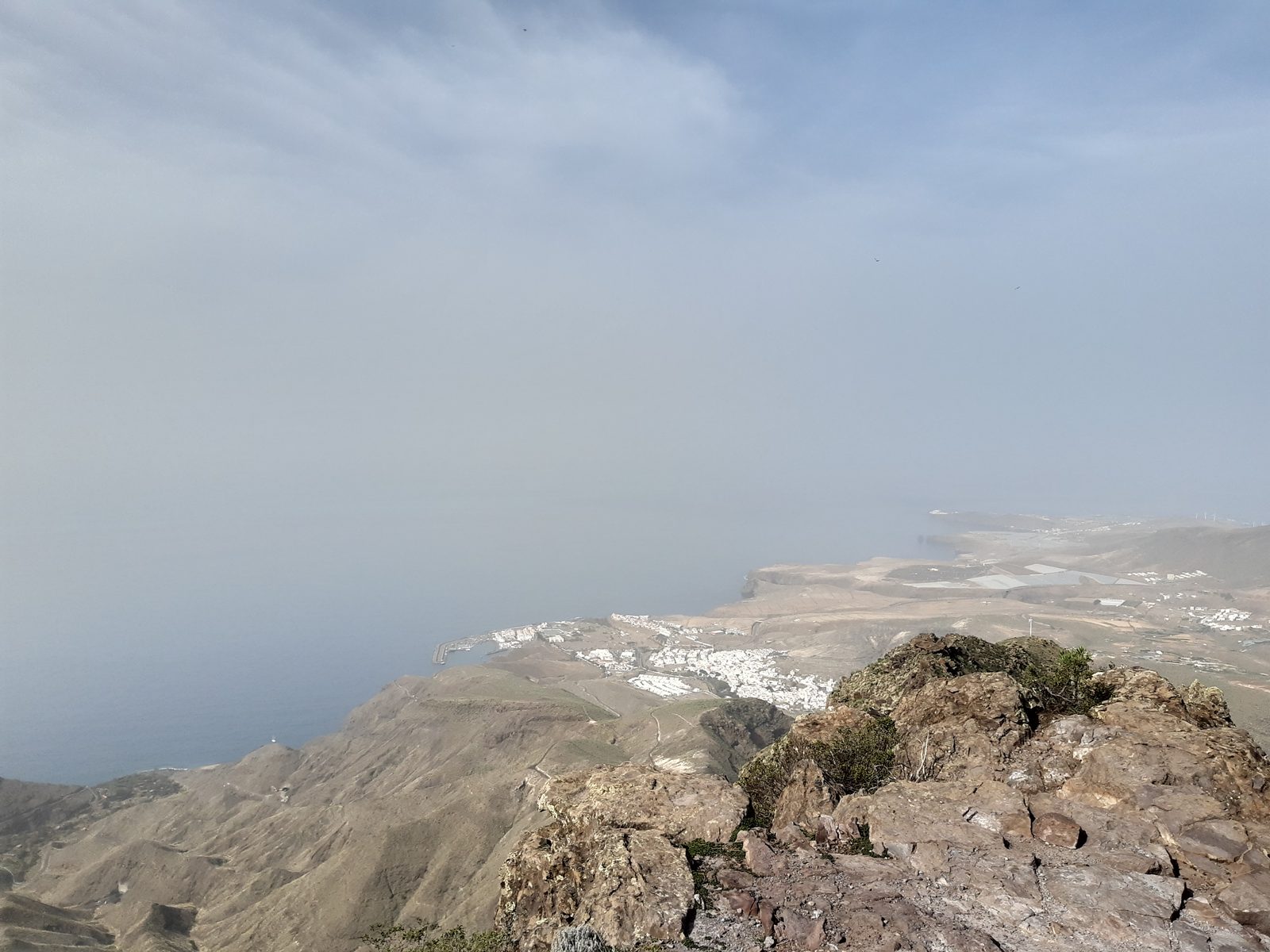
A historic city in the north
Gáldar was one of the most important political and symbolic centres of pre-Hispanic Gran Canaria. That status can be felt in the old town and in the way the city asserts its Indigenous memory. It is not merely a pretty stop in the north: it is a key place for understanding the continuity between the Aboriginal past, the historic city and the municipality’s present-day life.
Cueva Pintada, the archaeological jewel
The Cueva Pintada is the visit that gives Gáldar its deepest meaning. The archaeological and museum complex brings visitors close to dwellings, urban remains and paintings linked to Gran Canaria’s Indigenous population. If you only have time for one cultural stop in the city, this should be high on the list.
Old town, church and dragon tree
The centre of Gáldar is easy to explore on foot. The church of Santiago de los Caballeros anchors the main area, while the nearby squares and streets preserve the feel of a northern Canarian town with real local life. In the town hall courtyard, a dragon tree adds a simple but unmistakably Canarian stop to the urban route.
Sardina and the nearby coast
The municipality does not end with the old town. The coast at Sardina offers another register: swimming, a maritime atmosphere and a direct relationship with the Atlantic in the north. It is a good way to round off the day if you want to alternate heritage, historic streets and coast without changing area.
How to fit Gáldar into a route
Gáldar works very well on a route through northern Gran Canaria, especially when combined with Agaete or coastal stops. The key is not to reduce it to a quick photograph: the city rewards time set aside for the Cueva Pintada, the old town and a broader reading of the former territory of the guanartemes.
FAQ
Questions about Gáldar
Is Gáldar free to visit?
Walking around the historic centre and its main urban spaces is free. The Cueva Pintada and other specific sites have their own visiting conditions.
What is Gáldar’s historical importance?
It was once a court of the guanartemes, the Aboriginal kings of Gran Canaria, and it retains a central role in the island’s Indigenous memory.
What is the Cueva Pintada?
It is an archaeological site and museum in Gáldar, known for its paintings and for helping explain the life of Gran Canaria’s Indigenous population.
What can you see besides the Cueva Pintada?
The historic centre, the church of Santiago de los Caballeros, central squares, the dragon tree at the town hall and the coast at Sardina complete the visit very well.
Which places does it combine best with?
It combines especially well with Agaete and other points in northern Gran Canaria, alternating historic heritage, coast and towns.
Make the most of your visit
Tickets, tours and activities
There are excursions, guided tours and activities in Gran Canaria to round off your visit to Gáldar.
See tours and activitiesKeep exploring
More to see in Gran Canaria
Tours and activities in Gran Canaria
Loading tours…