Canarias.app travel guide · Tenerife
Tenerife: The Complete Island Guide (What to See, Best Beaches, Getting Around and Tips)
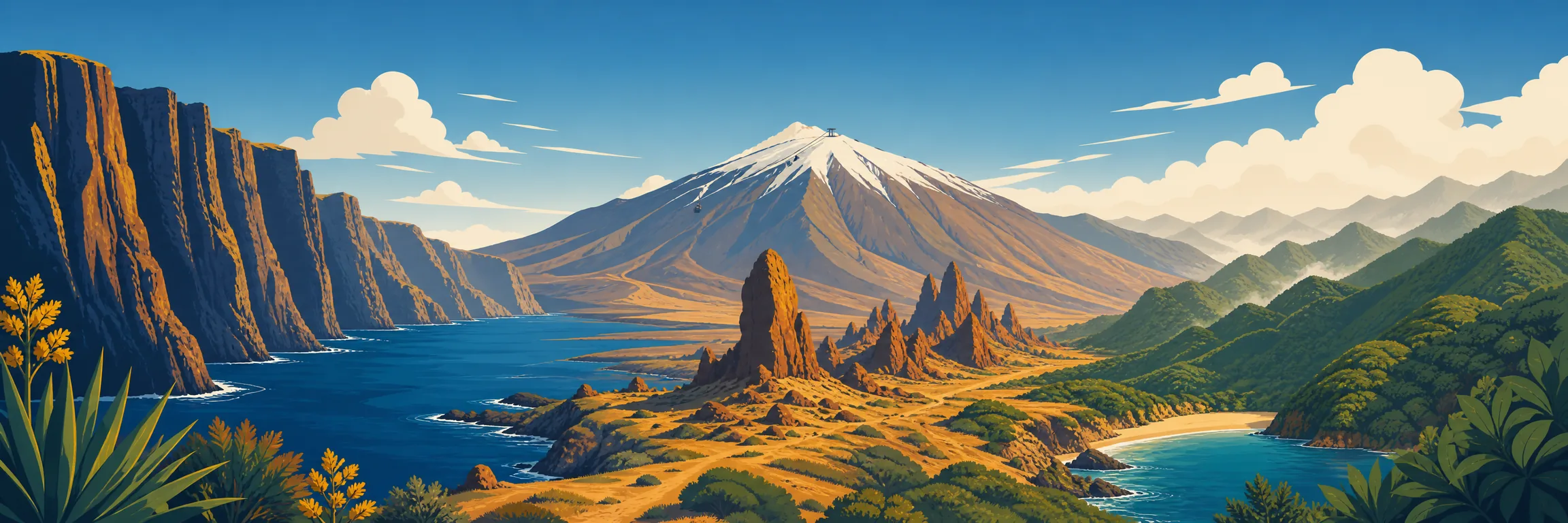
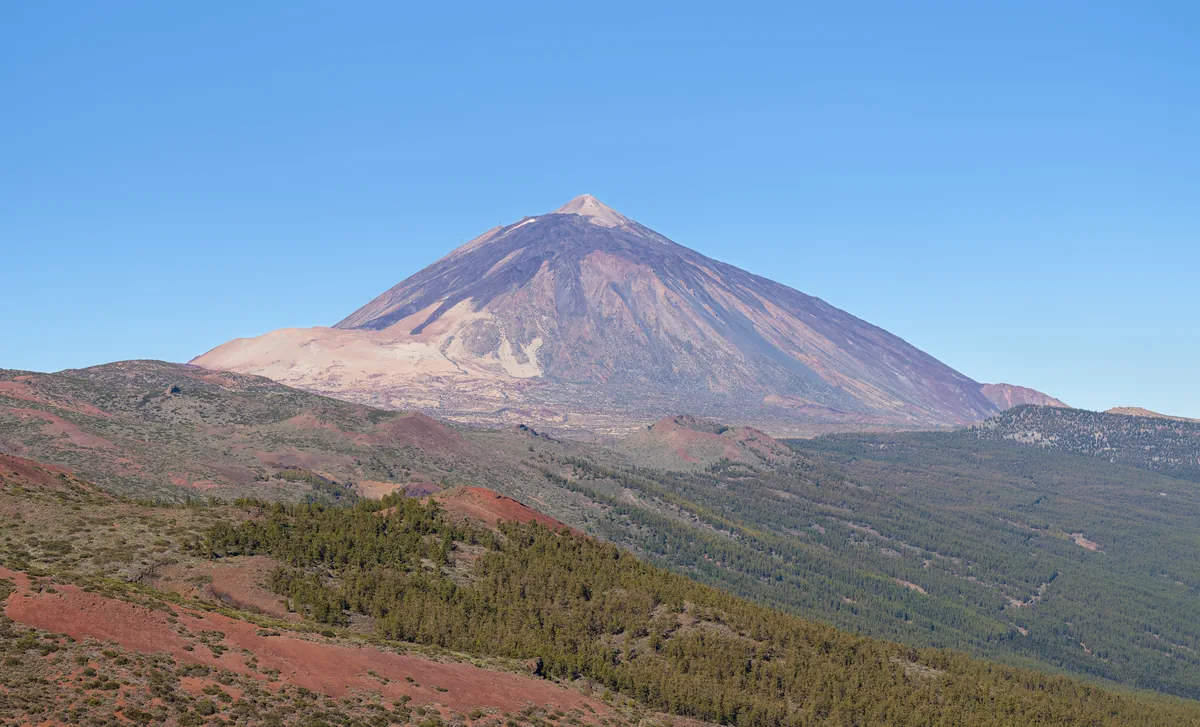
Tenerife is the largest and most populous of the Canary Islands, and the only one where you can touch snow and swim in the Atlantic on the same day. At its heart stands Mount Teide, the 3,715-metre roof of Spain, watched over by a national park that holds UNESCO World Heritage status. Around it, the island packs in almost everything: the golden, sun-drenched south of Costa Adeje, the green and humid north with its rustic guachinche eateries, the cliffs of Los Gigantes and the ancient laurel forest of Anaga. With three UNESCO designations and two of the world's finest theme parks, it is the most complete gateway to the archipelago: the island that wins you over on the first trip and pulls you back for more.
The Must-See Sights
Mount Teide is non-negotiable. Its cable car climbs from 2,356 to 3,555 metres in around eight minutes, and reaching the summit itself requires a free permit you'll need to book months ahead at reservasparquesnacionales.es. Set aside a couple more days for everything else. La Laguna, a UNESCO World Heritage Site, preserves the grid layout that became the blueprint for cities across the Americas. Anaga, a Biosphere Reserve, hides Europe's densest concentration of endemic species among its misty forests. Garachico tells the story of the harbour town buried by a lava flow in 1706. And down by the sea, the cliffs of Los Gigantes rise more than 600 metres of sheer black basalt. Loro Parque and Siam Park round things off for families.
The Best Beaches
Tenerife works with two very different palettes of sand. The south is all about gold: Las Teresitas, just outside the capital, stretches 1,300 metres of sand shipped in from the Sahara, with a breakwater that keeps the water as calm as a swimming pool, while Playa de Troya and El Camisón gather the holiday buzz of Costa Adeje and Los Cristianos. The south also delivers near-guaranteed sunshine year-round. The north and Anaga, by contrast, offer black volcanic sand and wild scenery: Benijo, Roque de las Bodegas and Almáciga serve up postcard sunsets and heavy surf, better for looking than for swimming. A special mention goes to El Médano, the island's longest natural beach and the Canaries' capital of windsurfing and kitesurfing.
Getting Around
A car is your best bet for making the most of the island: it's the only comfortable way to reach Anaga, Teno and the Teide summit. Two motorways form the island's backbone, the TF-1 running to the tourist south and Reina Sofía airport, and the TF-5 heading to La Laguna, La Orotava and Puerto de la Cruz. Without a car, TITSA's buses (locally called guaguas) cover the whole island: the ten+ travel card offers a day pass for 10 euros or a seven-day pass for 50, both with unlimited journeys. The tram links Santa Cruz and La Laguna along the metropolitan corridor. There are two airports: Tenerife South (TFS), the main international gateway, and Tenerife North (TFN), handier if you're staying in the north or the capital.
When to Go and the Climate
The key to Tenerife's weather is the trade winds and the temperature inversion that creates its famous sea of clouds. The result is an island split in two: the north catches the Atlantic moisture and stays green, fertile and cloudier, while the south is arid, dry and sunny for most of the year. On top of that come Teide's climate zones, capable of serving up cloud in the north, sun in the south and snow on the summit all on the same day. On the coast, winters hover around 18-20 degrees and summers around 24-26, that eternal spring the archipelago is known for. The south works any time of year; spring and autumn are ideal for hiking in Anaga and Teno, and it's worth checking the cable car's status in winter.
Where to Stay by Area
Your choice comes down to the kind of trip you're after. The tourist south (Costa Adeje, Playa de las Américas and Los Cristianos) is the safe bet for sunshine, resorts, sandy beaches, Siam Park and whale-watching trips: perfect for families and anyone who puts sun and sea first. The authentic north (Puerto de la Cruz, the Orotava valley and Garachico) offers green landscapes, culture, wine and guachinches, with a cooler climate; this is the Canaries of old. And for an urban base, Santa Cruz and La Laguna combine great food, UNESCO heritage and good tram links, with Anaga and the northern airport just a short hop away.
Food and Practical Tips
Tinerfeño cooking starts with papas arrugadas con mojo, small potatoes boiled in their skins in heavily salted water and served with spicy red mojo or green coriander mojo. The natural partner is wine: the Tacoronte-Acentejo and Valle de la Orotava appellations grow old vines in volcanic soil, producing reds and whites with real character. The quintessential local outing is the guachinches of the north, family-run spots in Tacoronte, La Orotava or El Sauzal that serve their own home-grown wine alongside home cooking and, by law, a maximum of three dishes; they tend to open seasonally until the wine runs out. One final tip: always check the booking status for Teide and the Masca ravine before you set off, as capacity is limited and reservations are compulsory.
FAQ
Questions about Tenerife
How many days do you need to see Tenerife?
Ideally between five and seven days. That gives you time to ride up Teide, explore the green north (La Laguna, La Orotava, Garachico and Puerto de la Cruz), get lost in Anaga, enjoy the southern beaches and set aside a day for the theme parks or a whale-watching trip. A weekend only scratches the surface; this is the largest island in the archipelago and there's far more to it.
Do I need a permit to climb to the Teide summit?
To reach the upper cable car station (3,555 metres), no, your ticket is enough. But climbing the peak itself via the Telesforo Bravo trail, above that level, requires a free, compulsory permit issued by the national park authority. You apply online at reservasparquesnacionales.es, and it's wise to request it months in advance, as the slots fill up fast.
Is it better to stay in the north or the south of Tenerife?
It depends on what you want. The south (Costa Adeje, Los Cristianos, Las Américas) guarantees sunshine almost year-round, sandy beaches and resorts, ideal for families and relaxation. The north (Puerto de la Cruz, La Orotava, Garachico) is greener, more cultural and more authentic, with guachinches and wine, though the climate is cooler and damper. Santa Cruz and La Laguna are the best base if you prioritise city life, food and heritage.
Which Tenerife airport should I fly into?
Tenerife has two. Tenerife South (TFS, Reina Sofía) is the main international gateway, next to the southern resort areas, and handles most flights from Europe. Tenerife North (TFN, Los Rodeos) focuses on inter-island and domestic flights and sits closer to La Laguna, Santa Cruz and the north. Choose based on where you're staying to cut down on travel time.
Do you need a hire car in Tenerife?
It's not essential, but it's highly recommended if you want to explore the island properly: spots like Anaga, Teno or the Teide summit are far more enjoyable by car. For getting between resort areas or along the Santa Cruz-La Laguna corridor, TITSA's buses (with day or week passes) and the tram work well. If your plan is beach and resort in the south, you can skip the car and just hire one for the odd excursion.
Make the most of your visit
Tickets, tours and activities
There are excursions, guided tours and activities in Tenerife to round off your visit to Tenerife.
See tours and activitiesKeep exploring
More to see in Tenerife
Tours and activities in Tenerife
Loading tours…